






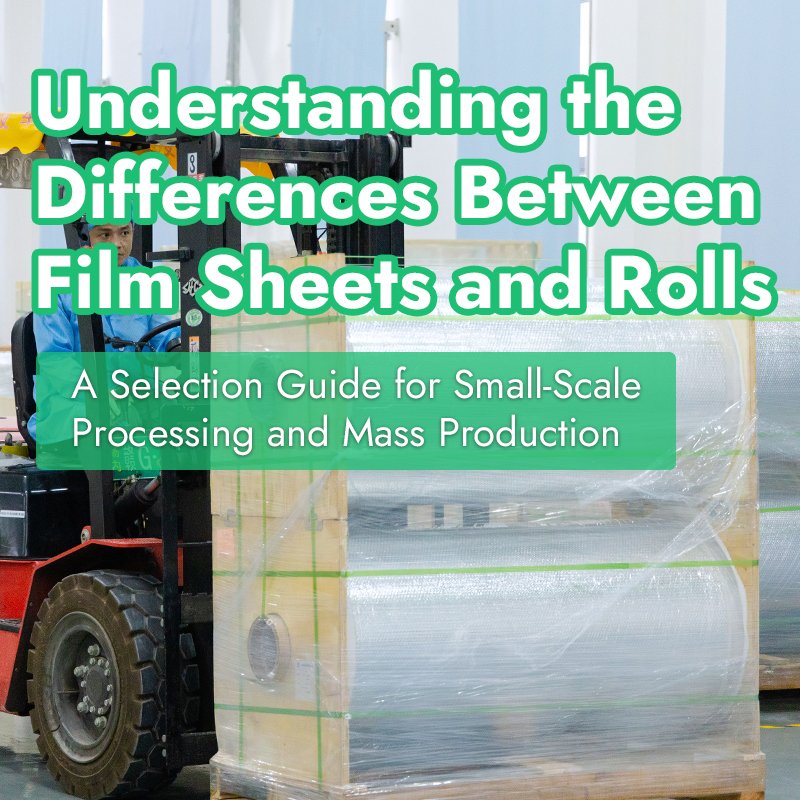
In the field of curved-surface thermal sublimation processing, film—thanks to its core advantages of high flexibility, strong stretchability, and the ability to conform seamlessly to curved surfaces—has become a vital printing medium for products such as mobile phone cases, headphone housings, irregularly shaped digital accessories, and curved-surface handicrafts.

Film media on the market primarily comes in two forms: sheets and rolls. While the material properties of both are identical—with neither being inherently superior to the other—they differ significantly in terms of equipment compatibility, production efficiency, print quality, and usage costs. Consequently, they are suited to distinct operational scenarios: small-scale personalized customization versus large-scale factory mass production.
Industry professionals often encounter issues such as equipment incompatibility, insufficient production capacity, material waste, and high costs when selecting equipment and materials.
This article provides a comprehensive comparison of the key differences between sheet and roll films and their suitability for various processing workflows, helping professionals make precise selections to reduce costs, boost efficiency, and enhance both quality and output.
I.Differences in Equipment Compatibility: Matching models to specific needs to avoid equipment idleness.
The primary distinction between sheet-form and roll-form film lies in the completely different printing and transfer equipment required; this is the fundamental basis for equipment selection and directly determines whether the equipment can be used effectively.
1.Sheet-form film: Compatible with small, lightweight equipment.
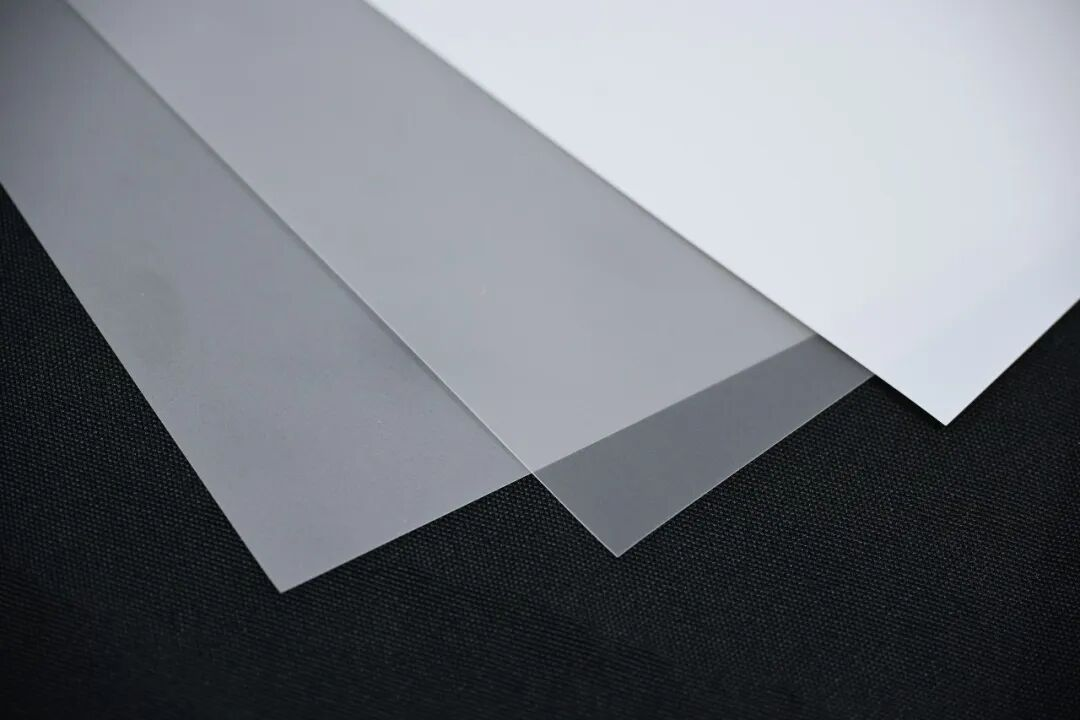
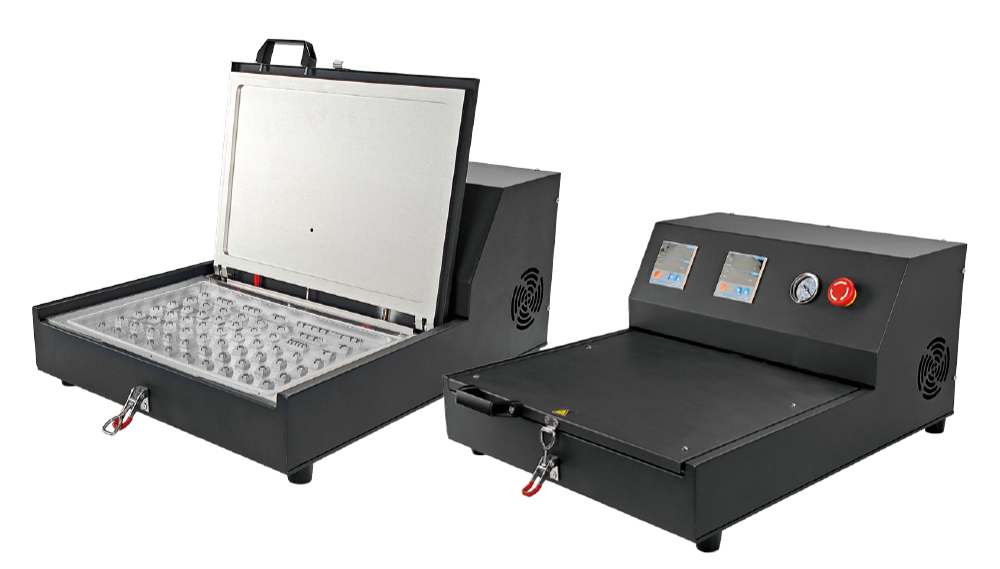
The sheets come in individual, ready-to-use formats compatible with small desktop printers and small-to-medium-sized thermal transfer vacuum machines. These systems feature a compact footprint, ease of operation, and low investment costs. Requiring no complex assembly, they are ideal for processing small curved accessories—such as mobile phone cases and earphone cases—making them the top choice for independent studios, custom retail shops, and small-scale factories.
They are primarily designed for use with small-to-medium vacuum machines in configurations such as A5 (1-up), A4 (2-up), and A3 (4-up).

2.Roll-fed film: Designed for large-scale industrial equipment.
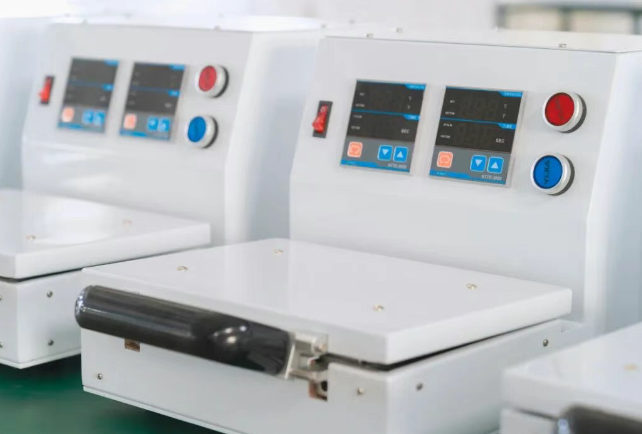
This material comes in continuous rolls and requires large-format industrial printers or fully automated continuous processing systems. It necessitates professional installation and demands a higher level of equipment automation.
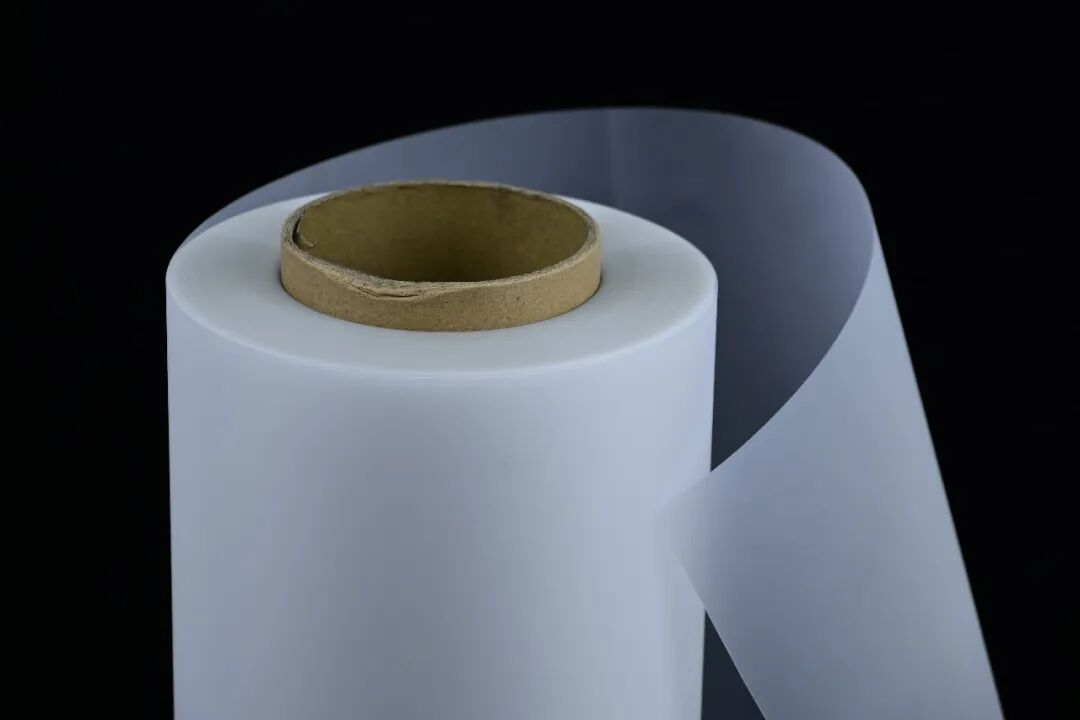
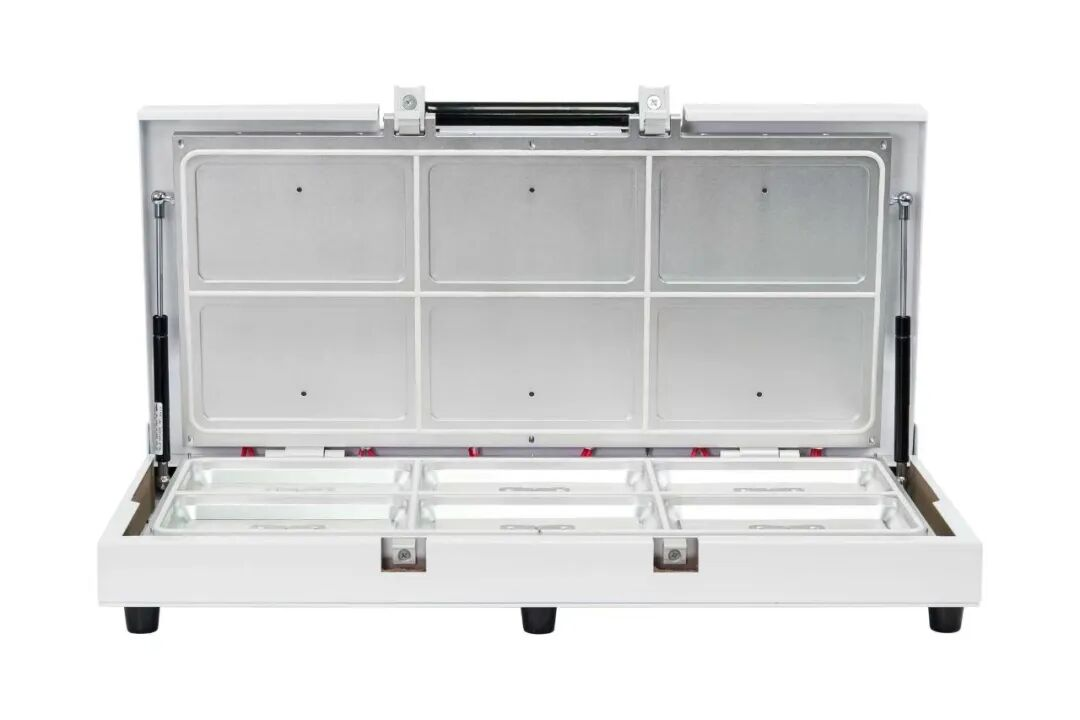
This option is suitable for factories with large-scale production capabilities and is incompatible with small desktop devices; small workshops that purchase roll materials without due diligence may encounter issues such as inability to install the material or problems with material feeding, rendering production impossible. It is primarily used with high-precision, large-scale production equipment—such as “1-to-6” vacuum machines and keycap vacuum machines—where the roll material is secured via perforations to ensure higher precision.
II.Differences in Production Efficiency
The distinction between equipment suited for flexible customization of small orders and that designed for efficient mass production directly determines the production models and efficiency for these two types of film. Together, they precisely address market demands for both “small-batch customization” and “large-scale mass production,” creating a complementary production system.
1.Sheet-fed film: Flexible and efficient, it is ideal for small-batch, high-end customization.It supports on-demand printing, single-sheet runs, and rapid design changes; there is no need for bulk inventory or waiting for full-roll material processing, allowing for the immediate printing of individual items or small-batch orders upon startup.
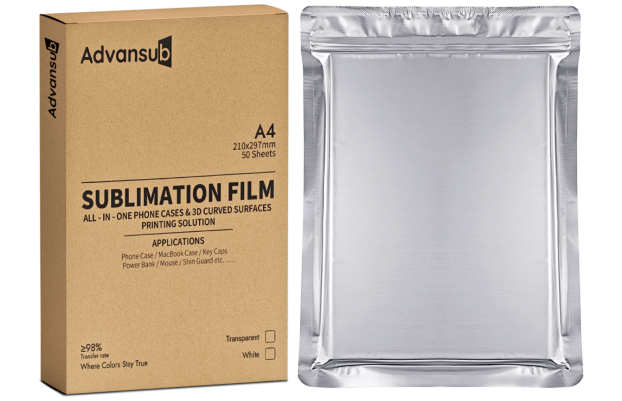
Switching product types involves no setup barriers and requires no equipment downtime for recalibration; this enables rapid response to fragmented order demands and significantly shortens delivery cycles. Compared to roll-fed systems, this approach offers far greater production flexibility for small-batch, urgent, and customized orders, making it ideally suited for the high-end personalized customization market.
2.Roll-fed: Designed for continuous operation and large-scale mass production, roll-fed systems support fully automated, continuous printing and uninterrupted material feeding. The process eliminates the need for frequent material changes and the manual loading/unloading associated with sheet-fed printing, resulting in substantial savings in labor time.
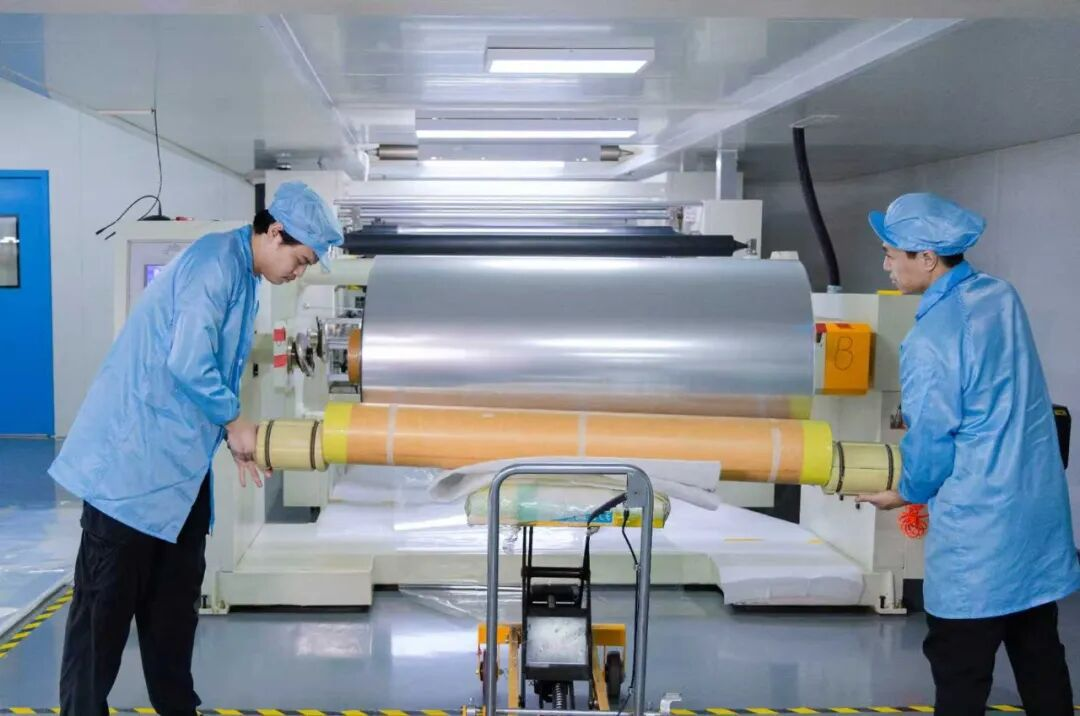
In high-volume standardized production, roll-fed materials offer a capacity advantage over sheet materials; they enable assembly-line workflows, boost efficiency, and ensure a stable capacity for handling large orders, making them ideal for the continuous mass production of standardized, uniform products.
III. Differences in Usage Costs: Selecting materials based on specific needs allows for precise cost control and waste elimination.
Cost considerations are central to the selection process; sheet and roll materials have vastly different cost structures and suit different production scales. Making the right choice maximizes material utilization and minimizes overall production costs.
1.Sheet Materials: Low waste and low entry barriers; the preferred choice for cost control on small orders. Sheets come in standardized individual sizes, allowing for precise usage without the need to cut from a full roll. This avoids issues such as idle leftover material, cutting waste, and scrap loss associated with unrolling coils, resulting in extremely high material utilization rates.
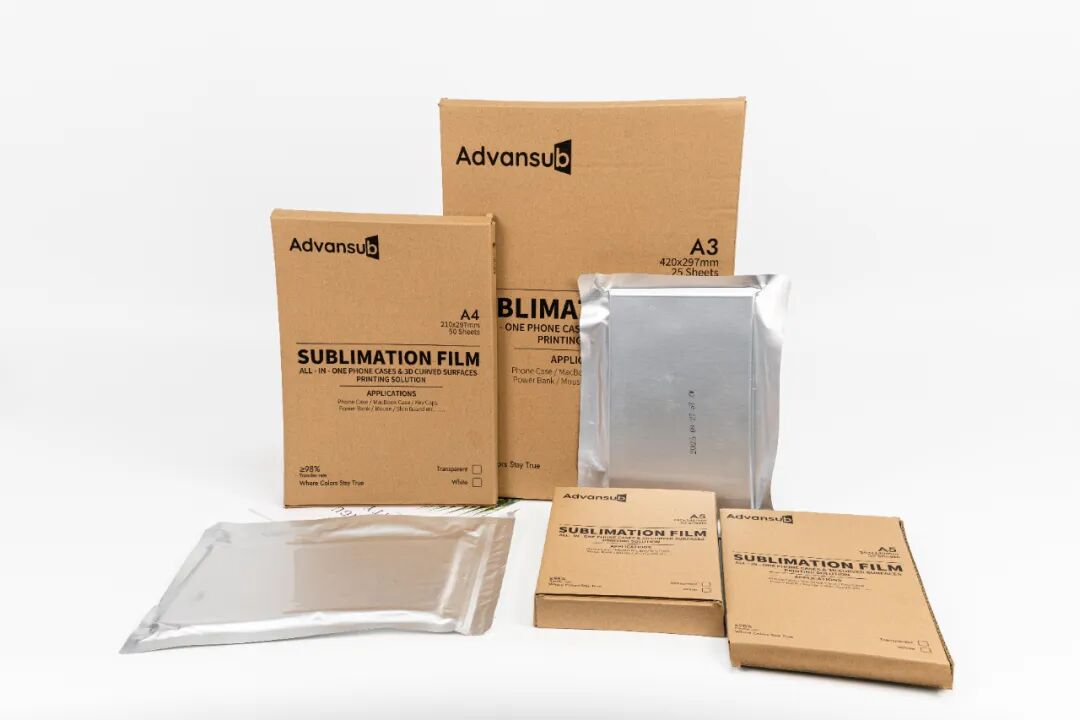
For clients such as small-to-medium-sized factories, custom-order shops, and DIY studios, this option eliminates the need for large-scale stockpiling; it offers a low financial entry barrier and minimal inventory pressure, making it well-suited for small-batch, multi-style custom production models.
2.Roll materials: These offer a lower unit price per square meter, driving cost efficiency in high-volume production. Purchasing in full rolls and using materials in bulk results in lower material costs compared to sheet materials, providing a distinct price advantage. However, roll materials require purchasing full rolls and batch cutting—entailing some minor waste from roll ends and edges—as well as the use of large-scale equipment and specialized operators, leading to higher initial investments in machinery and stock.
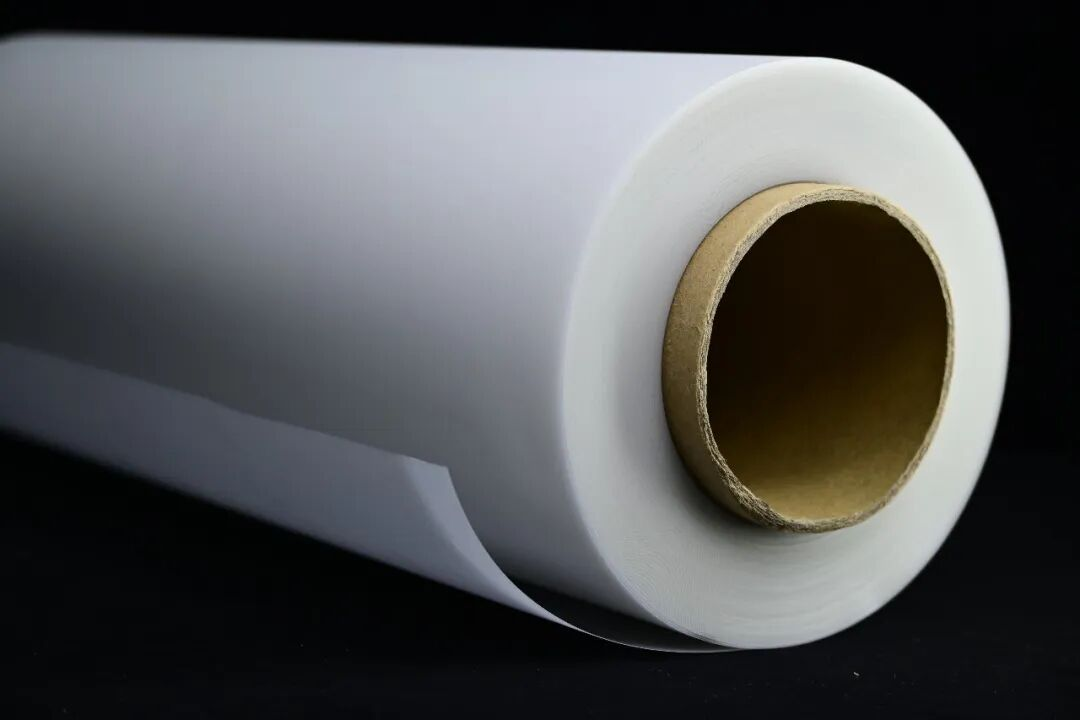
However, in high-volume production scenarios, roll materials offer a distinct cost advantage; as production capacity increases, material and manual feeding costs decrease, resulting in greater profit margins—making them ideal for long-term, large-scale factory production.
Selection Summary: There is no single “best” option, only the most suitable one. Sheet and roll materials are identical in terms of coating technology, ink adhesion, tensile toughness, and color reproduction. They offer indistinguishable print quality and transfer results, featuring high-definition color rendering, resistance to ink bleeding, and excellent ductility, making them suitable for transfer processing on a wide range of curved objects.

Sheet-based film is the preferred choice for: small-to-medium-sized factories and independent studios using compact desktop printers; personalized DIY customization, high-end small-batch orders, prototyping, and urgent production runs; scenarios involving diverse designs, low volumes, and frequent job changes that require rapid startup; and the processing of small-sized items such as mobile phone cases, earphone cases, and trackers.

Roll-fed systems are the preferred choice in the following scenarios: large-scale factories equipped with industrial-grade printers and fully automated, continuous production lines; standardized, high-volume orders involving uniform product designs and consistent, long-term production runs; operations prioritizing maximum throughput and minimized per-unit costs through continuous assembly-line workflows; and facilities handling large-scale contract manufacturing and bulk shipments that require a stable, highly efficient mass-production system.

In summary, film sheets offer flexibility for customization and precision handling of small orders, while roll stock facilitates large-scale, rapid production. Selecting materials based on your specific equipment, order patterns, and production scale helps avoid material waste and equipment compatibility issues, thereby boosting efficiency and controlling costs.
For further information—including technical details on sublimation films, vacuum machines, and various consumables, as well as inquiries regarding bulk purchasing, customization, and sample requests—please contact Prosub.