





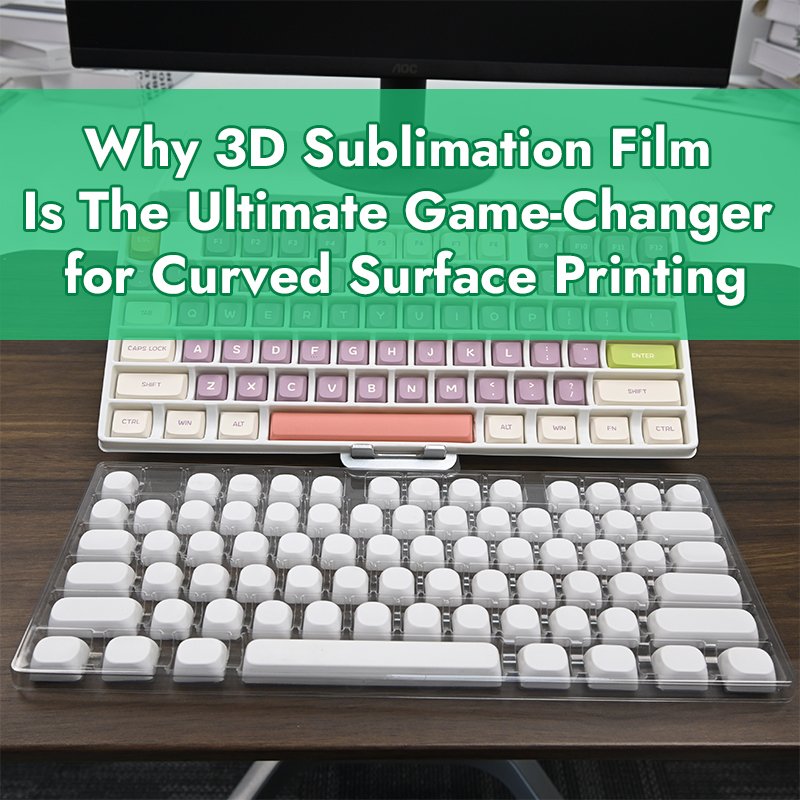
In the rapidly evolving landscape of product personalization and industrial decoration, the demand for flawless aesthetics has never been higher. Consumers no longer accept compromise; they demand high-definition, vibrant, and wrap-around graphics on products of every conceivable shape. While traditional 2D sublimation paper has successfully revolutionized flat-surface customization (such as textiles and flat photo panels), it hits a definitive physical wall when confronted with complex curves, sharp corners, and irregular three-dimensional geometries.
3D Sublimation Film,this breakthrough material technology is not just an incremental upgrade; it is a fundamental paradigm shift. By replacing rigid paper carriers with ultra-flexible, thermo-formable polymer films, 3D sublimation film unlocks 360-degree, edge-to-edge printing capabilities that were previously impossible. This article explores the technical mechanics and distinct market advantages, that make 3D sublimation film the ultimate game-changer for the curved surface printing industry.
1. The Anatomy of the Curved Printing Challenge
To understand why 3D sublimation film is revolutionary, one must first analyze the inherent limitations of traditional printing methods on complex geometries:
The Wrinkling and Creasing of 2D Paper: Paper, by its cellular nature, cannot stretch or conform to compound curves (like a sphere, an ergonomic mouse, or a gaming controller). When forced into a 3D vacuum press, traditional sublimation paper folds, creases, and wrinkles. These creases block ink transfer, resulting in white streaks, ghosting, and ruined blanks.
Edge and Corner Limitations: Traditional methods often leave unprinted margins or blurry edges. On items like premium smartphone cases, this means the sides and corners remain blank or faded, destroying the premium “premium wrap” illusion.
Inconsistent Pressure and Heat: Sublimation requires uniform contact, precise temperature, and consistent pressure. On a curved surface, rigid mediums cannot distribute pressure evenly, leading to color shifting and patchy ink absorption.
Historically, manufacturers relied on complex pad printing, hydro-dipping (water transfer printing), or direct UV printing to bypass these issues. However, these methods come with high setup costs, environmental hazards, or a lack of durability.
2. What is 3D Sublimation Film? (The Tech Behind the Magic)
Film is a thin film material specifically designed for 3D thermal sublimation printing technology. Currently, it is mainly used to achieve full-coverage, high-resolution pattern transfer on three-dimensional objects (such as curved or irregular surfaces like phone cases, keycaps, ceramic plates, and eyeglass cases).
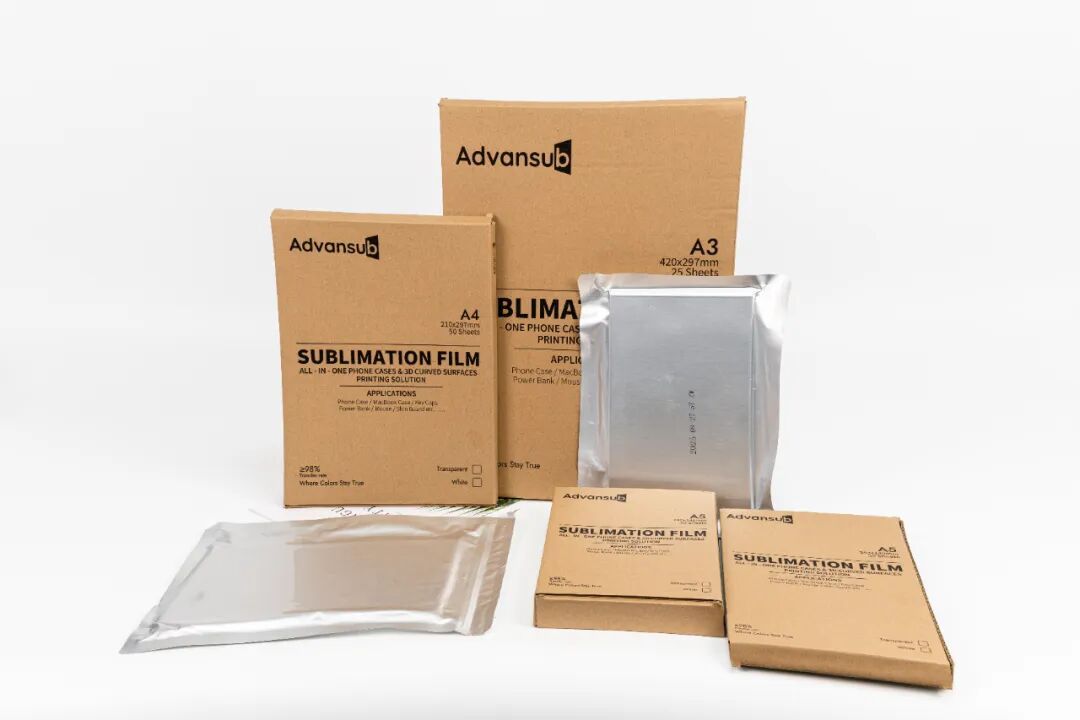
When heated to its optimal softening point within a 3D vacuum machine, the film transitions into a highly pliable, elastic state. Under vacuum suction, it stretches uniformly across the product’s substrate, acting like a “second skin.”
Because the ink is printed onto this elastic membrane, the graphic expands proportionally with the film. When the sublimation temperature is reached, the dye molecules sublimate directly into the pores of the substrate at a molecular level—even on deep recesses, sharp radii, and compound curves—without any graphic distortion or tearing.
3. Top 5 Reasons Why 3D Sublimation Film is the Ultimate Game-Changer
Reason 1: True 360-Degree, Edge-to-Edge Seamless Printing
The primary triumph of 3D film is its ability to achieve complete graphic immersion.
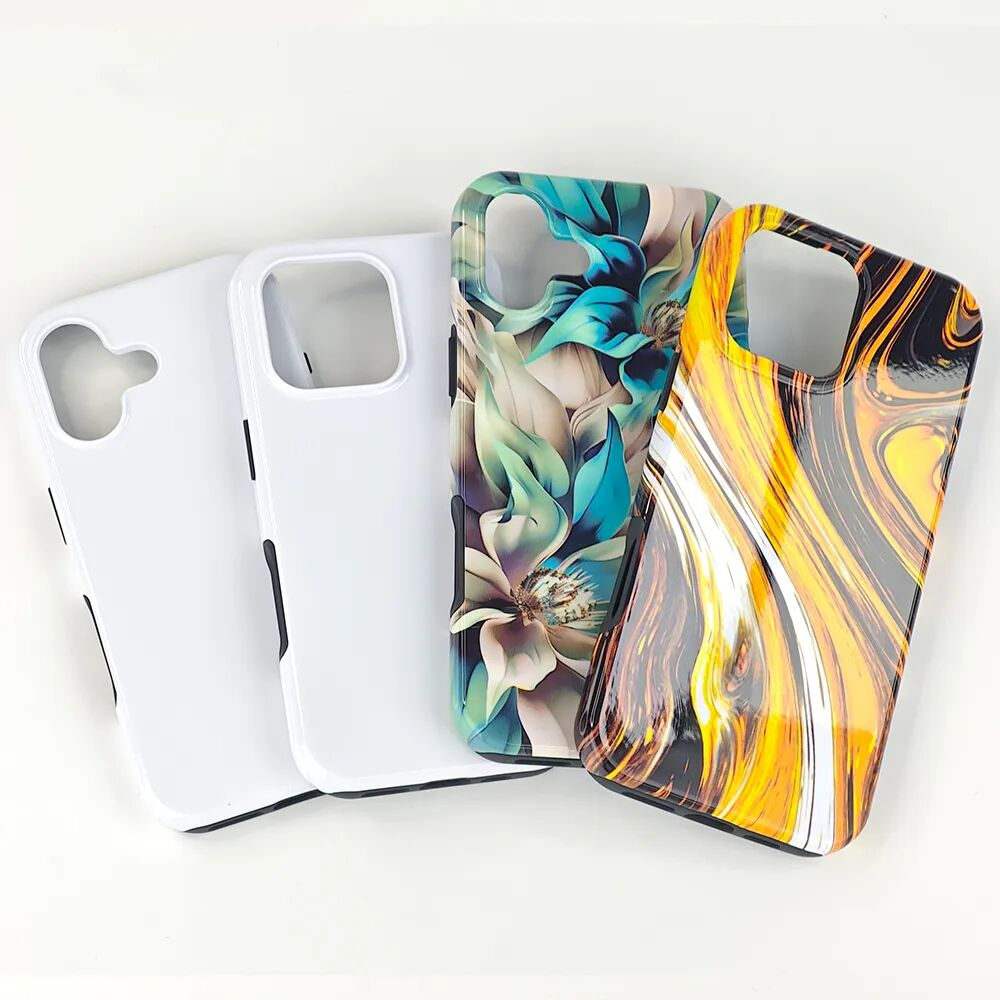
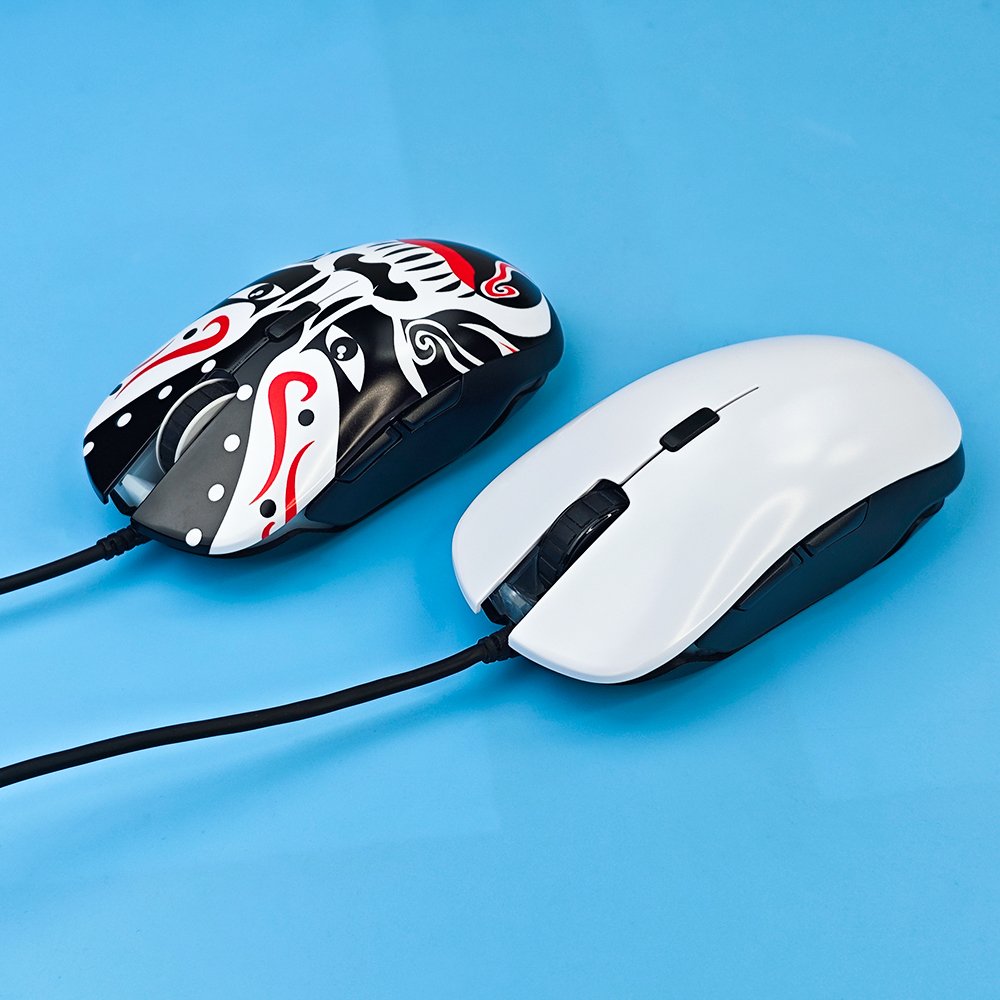
Flawless Full Wraps: Whether it is a curved polymer phone case, an ergonomic computer mouse, or a cylindrical vacuum flask, the film wraps entirely around the edges.
Reason 2: High Elasticity without Graphic Distortion
A common concern with stretchable mediums is that the printed image will look distorted or pixelated once stretched over a curve. Prosub’s advanced 3D sublimation film features controlled elongation dynamics. The film distributes tensile stress evenly across its surface. This ensures that intricate geometric patterns, fine text, and high-resolution photographs maintain their visual integrity and correct proportions, even when pulled over sharp corners.
Reason 3: Superior Ink Absorption and Photo-Realistic Output
3D film is coated with a highly sophisticated, micro-porous ink-receptive layer.
High Ink Loading: It can hold high volumes of sublimation ink without bleeding or pooling, allowing for incredibly deep blacks and ultra-vibrant color saturations.
Pinpoint Transfer Efficiency: During the heating phase, the film releases up to 95% of the trapped ink directly into the substrate. This results in photo-realistic, high-definition outputs that make colors pop and gradients transition seamlessly.
Reason 4: Unmatched Durability and Scratch Resistance
Because the film facilitates a flawless molecular fusion between the dye and the substrate, the final product inherits incredible ruggedness. The printed design does not sit on top of the plastic; it becomes part of the plastic.
Daily Wear and Tear: The finished products are highly resistant to daily scratching, friction, and impact.
Chemical and UV Resistance: The print will not peel, crack, or fade when exposed to sweat, hand sanitizers, household chemicals, or prolonged UV sunlight, making it perfect for high-touch daily items.
Reason 5: Enhanced Production Efficiency and Lower Scrap Rates
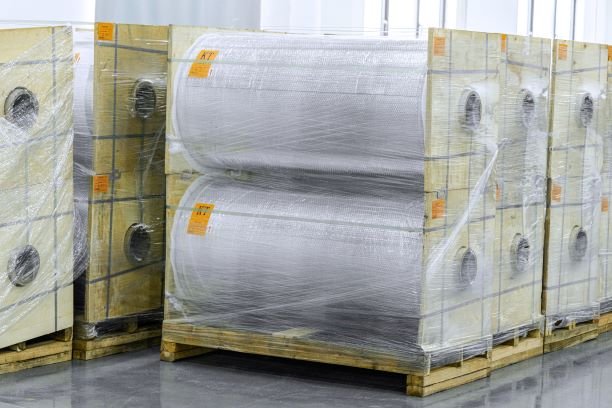
For print shops and industrial manufacturers, the bottom line is dictated by yield rates. Traditional paper on curved surfaces creates massive amounts of waste due to unpredictable wrinkling. 3D film operates with absolute consistency. Once the vacuum profile is calibrated, the film conforms identically every single time, dropping product defect and scrap rates down to nearly zero.
4. Revolutionizing Key Market Verticals
The adoption of 3D sublimation film is actively disrupting several multi-billion-dollar industries by enabling on-demand, high-margin customization:
A. The Tech Accessories Sector
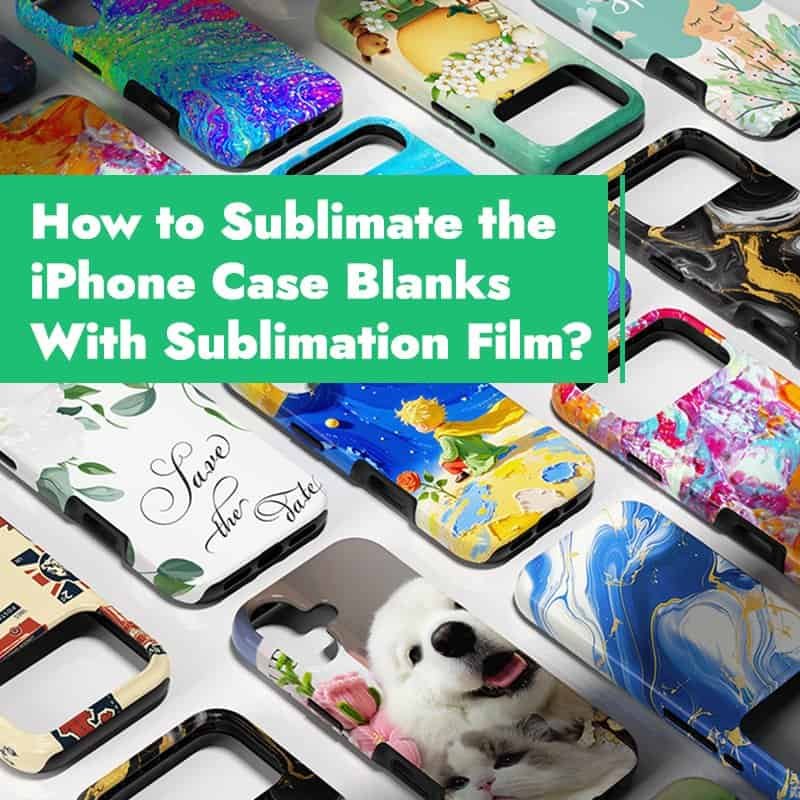
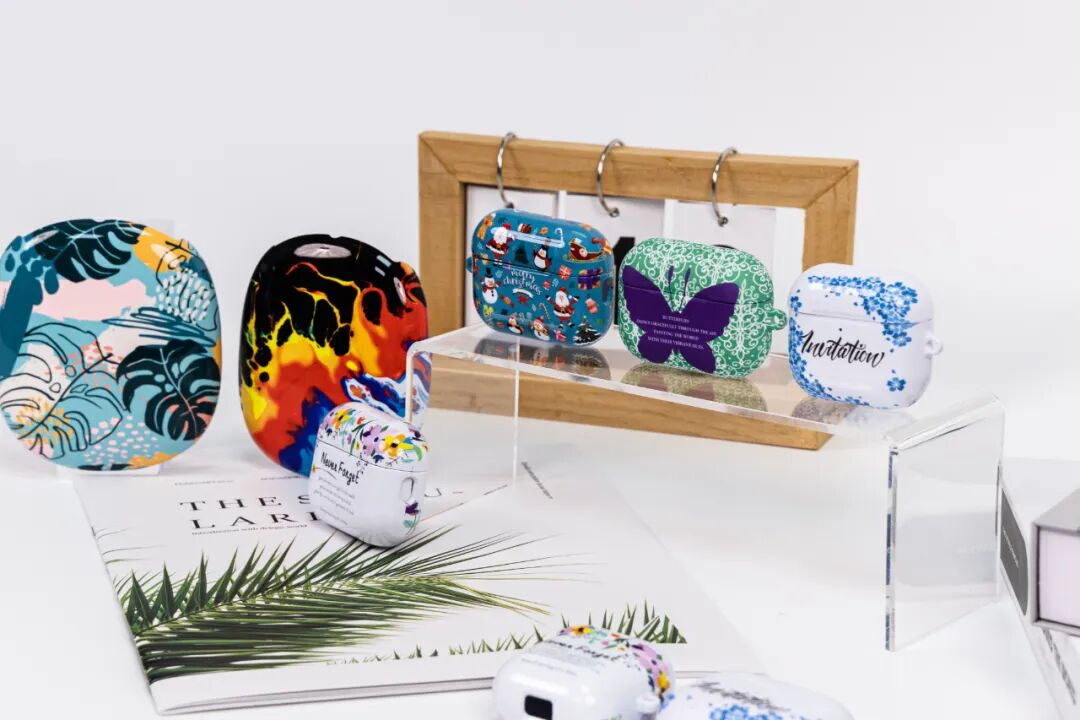
The smartphone case market is hyper-competitive. Standard 2D-printed plates glued to plastic shells look cheap. 3D sublimation film allows brands to produce premium, single-piece, fully wrapped cases for iPhones, AirPods, and laptops. This elevates a basic promotional item into a premium luxury fashion accessory.
B. Gaming and Esports Hardware
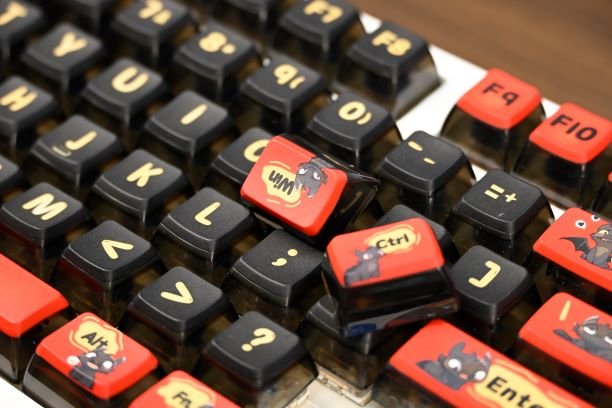
Gamers demand extreme personalization. Customized gaming mice, mechanical keyboard keycaps, and console controllers feature highly ergonomic, complex curves. 3D film flawlessly prints intricate esports team branding and abstract art across these contoured surfaces without altering the tactile feel or blocking mechanical buttons.

C. Creative Home Decor and Fine Art
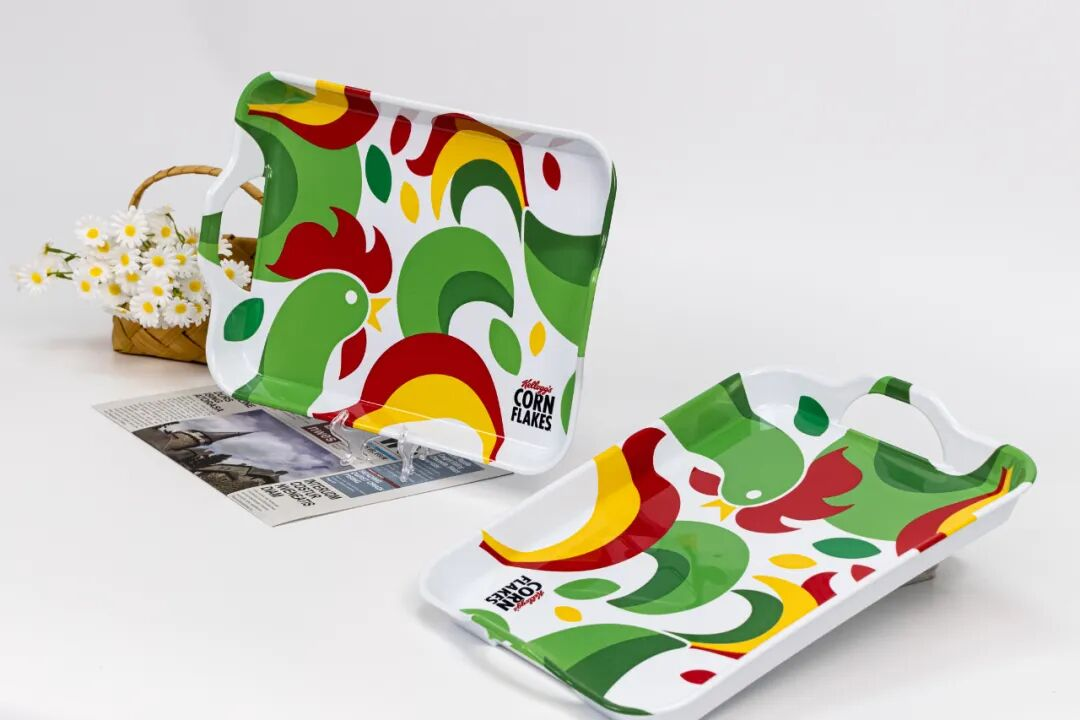
From natural slate paintings with rugged, uneven textures to curved tempered glass bowls, decorative plates, and ceramic art pieces—3D film molds into every nook and cranny. It allows artisans and cultural/creative brands to turn irregular raw materials into high-value museum-grade interior decor.
D. Automotive and Sports Gear
Interior trim panels, gear shift knobs, motorcycle helmets, and sports shin guards can all be customized using 3D film, offering sleek carbon-fiber textures, camo patterns, or bespoke branding over aerodynamic contours.
5. Technology Comparison: Breaking Down the Alternatives
To truly appreciate its dominance, we must look at how 3D sublimation film compares to other mainstream curved-surface printing methods available on the market today:
Compared to Direct UV Printing
UV printing has grown in popularity due to its instant curing and vibrant inks, but it faces severe physical limitations on deep curves. Because UV printheads must maintain a close, fixed distance to the substrate to stay in focus, printing on steep drops or recessed areas results in overspray, blurriness, and poor ink adhesion. 3D film overcomes this entirely by physically stretching into every recess, ensuring identical sharpness across the entire object.
Compared to Traditional Pad Printing
Pad printing is a standard industry choice for putting simple logos on curved promotional items like pens or golf balls. However, it is restricted to small surface areas, supports very few colors, and carries high upfront plate-making costs that mandate large minimum order quantities (MOQs). 3D sublimation film requires absolutely zero setup costs, allows for a minimum order quantity of a single piece, and supports full-color photographic designs across the entire product surface.
6. How to Implement 3D Sublimation Film Successfully
To harness the full power of this game-changing material, manufacturers need an optimized ecosystem consisting of three pillars:
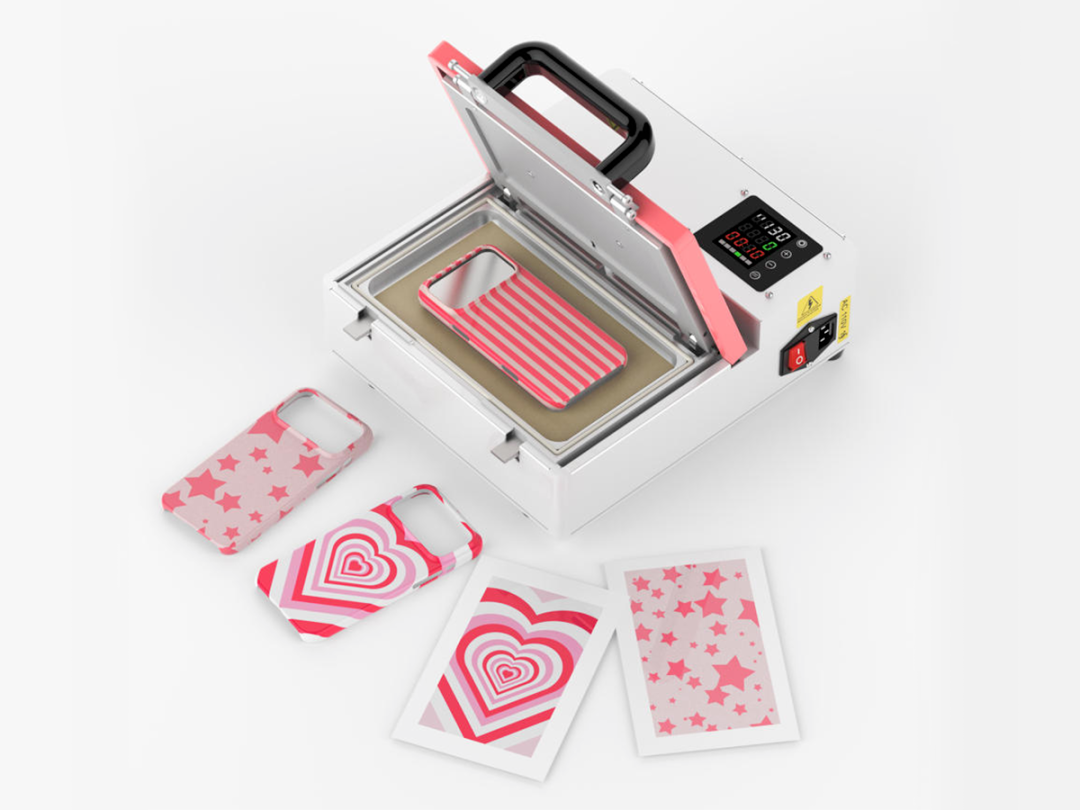
The Right Machinery: A dedicated 3D vacuum sublimation heat press is required. These machines use a combination of vacuum suction and infrared heating elements to ensure the film conforms perfectly to the blanks.
High-Quality Inks: Utilizing premium, high-density sublimation inks ensures that when the film stretches, the color density remains rich and does not look washed out.
Compatible 3D Blanks: The target blanks must be made of or coated with sublimation-friendly polymers (such as specialized Polycarbonate, ABS, or polyester coatings) that can withstand the transfer temperatures without warping.
Conclusion: Partner with Prosub to Ride the 2026 Customization Wave
3D Sublimation Film shatters the physical boundaries of traditional printing. It bridges the gap between digital imagination and complex physical reality, offering unparalleled color brilliance, absolute wrap fidelity, and bulletproof durability.
At Prosub, we specialize in engineering the highest-grade 3D sublimation films and machinery tailored to your production scale. Don’t let curves limit your creativity.