






Want a personalized phone case with crisp, wear‑resistant prints and a seamless fit that leaves no gaps? Sublimation technology is the answer! And the 3D sublimation vacuum machine, as the core device, perfectly tackles the challenge of transferring designs onto curved phone cases, delivering flexible and efficient performance from design to finished product. Today, we’ll take you through a complete breakdown of the secrets behind sublimation phone case printing, equipment selection, and hands‑on tips—unlocking new ways to customize your style.
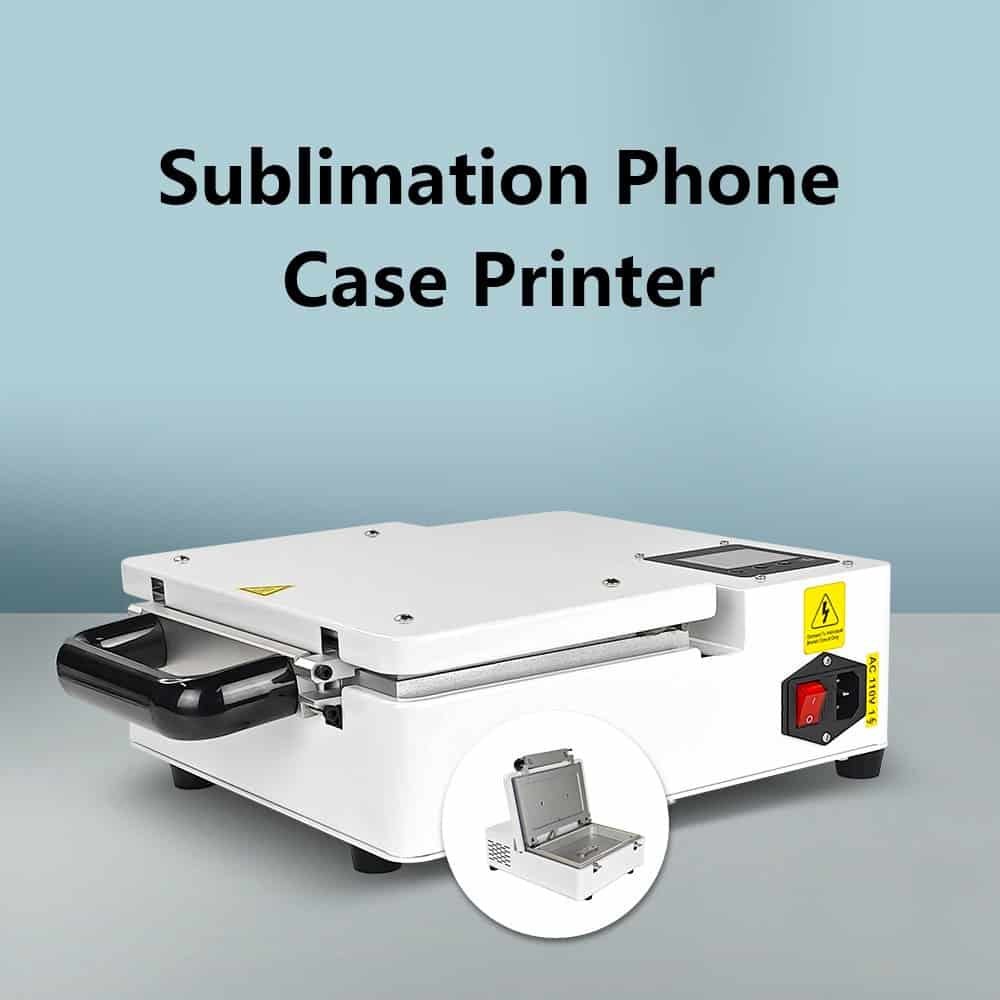
What is Sublimation Phone Case?
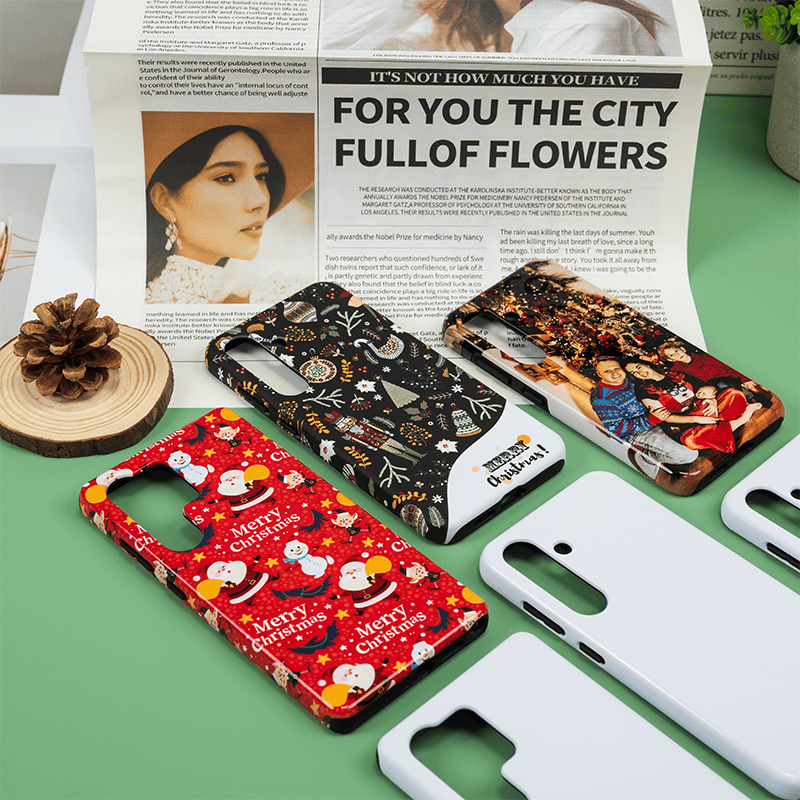
Sublimation phone case is a product that uses sublimation transfer technology to permanently imprint patterns onto the surface of white, specially coated hard phone cases. This achieves high‑definition, wear‑resistant, smooth‑to‑touch personalized designs. It stands as a perfect example of combining digital printing with consumer goods, and is one of the most mainstream, highest‑quality processes in today’s personalized phone case market—especially suited for photo cases, commemorative cases, and artistic‑pattern cases.
Core Advantages
- High durability of prints: The design penetrates the material’s surface rather than simply adhering to it, making it resistant to abrasion, scratching, and fading.
- Fine color reproduction: Sublimation technology accurately reproduces the color details of the original artwork, yielding细腻, grain‑free images with rich visual impact.
- Flexible personalization: Supports small‑batch and single‑piece customization; whether it’s photos, illustrations, or brand logos, each can be quickly turned into an exclusive phone case.
- Smooth tactile feel: After transfer, the case surface remains flush—no raised layers—preserving the shell’s natural smoothness and ensuring a comfortable grip.
- Excellent protective performance: The case has a substantial feel and effectively cushions everyday bumps and drops. It has passed the MIL‑STD‑810H:2022 drop test, providing reliable protection for the phone.
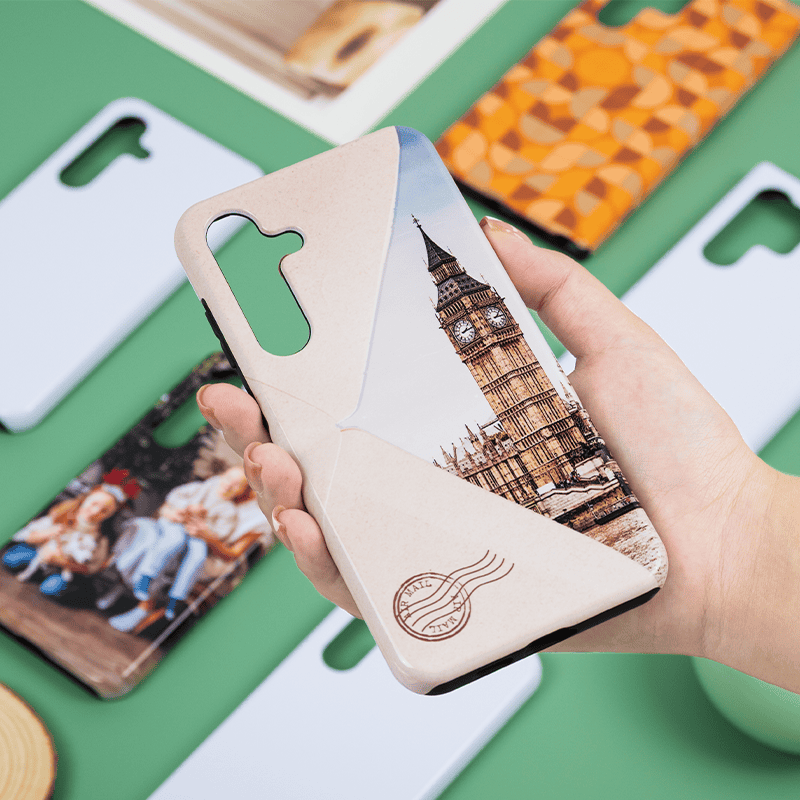
What is Sublimation Phone Case Printer?
To achieve efficient, seamless transfers on curved phone cases, choosing the right sublimation phone case printer is essential. Traditional sublimation heat press machines only meet the needs of printing on flat cases; when dealing with three‑dimensional structures such as curved edges or button recesses, they often cause pattern breaks and unprinted gaps at the borders.
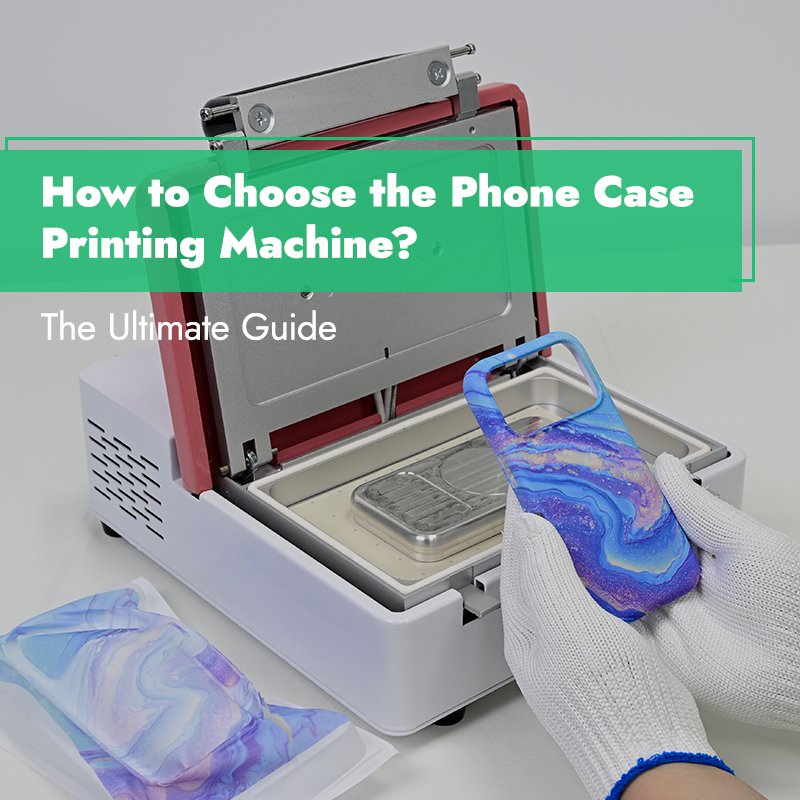
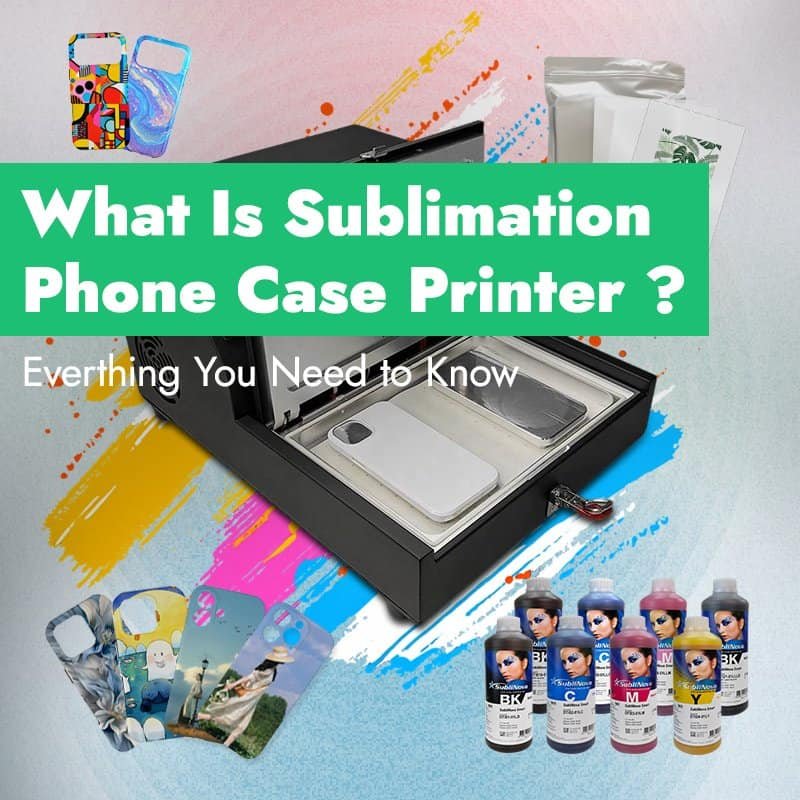
Enter the 3D sublimation vacuum machine—an indispensable tool for curved phone case printing. It uses vacuum pressure technology to press a flexible sublimation film tightly against the surface of 3D objects, handling both flat and irregular curved surfaces in one go. The film is then heated to around 130 °C for sublimation, allowing the dye to evenly penetrate every detail of the case. Whether it’s a fully wrapped 3D shell or an irregular case with complex raised and recessed textures, the machine delivers gap‑free, high‑fidelity transfers—perfectly suited to both personalized customization and small‑batch production.
Types of Vacuum Machines
Single-Station (1-out-1) Sublimation Vacuum Machine: Ideal for hobbyists, individual sellers, or start-ups needing small-batch production, enabling precision manufacturing with zero entry barriers.
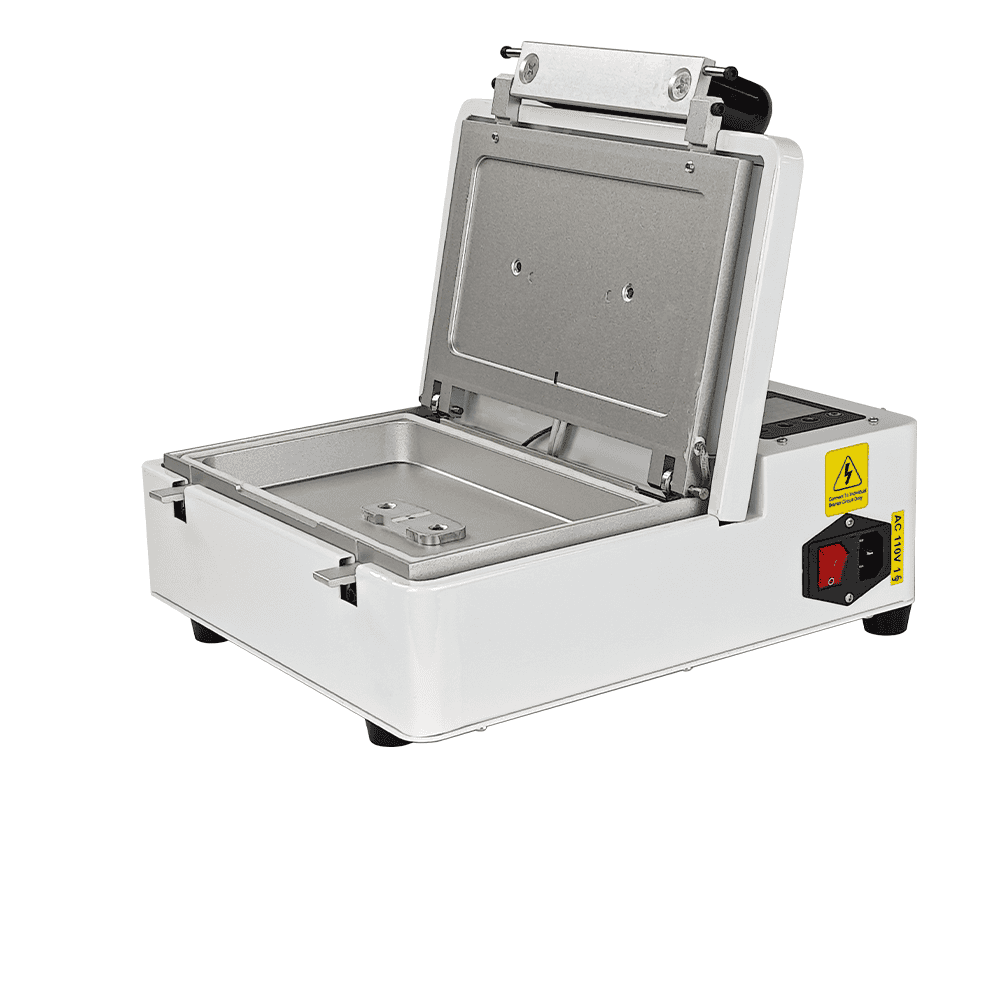
1-Out-2 Sublimation Vacuum Machine: Ideal for small studios (custom production) or gift shops (personalized gift processing), making it the perfect choice for small-batch flexible manufacturing.
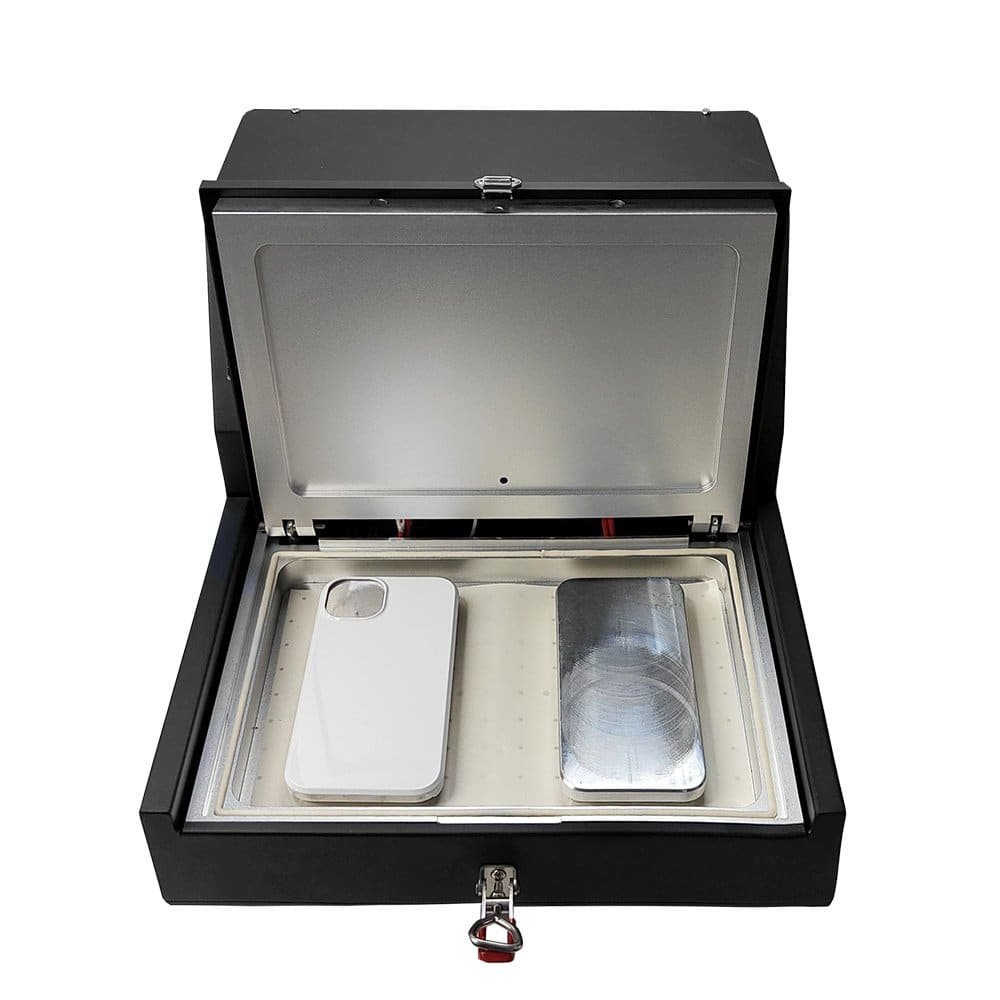
1-Out-4 Sublimation Vacuum Machine:Designed for medium‑scale production settings, it easily handles batch production in small to mid‑size workshops.
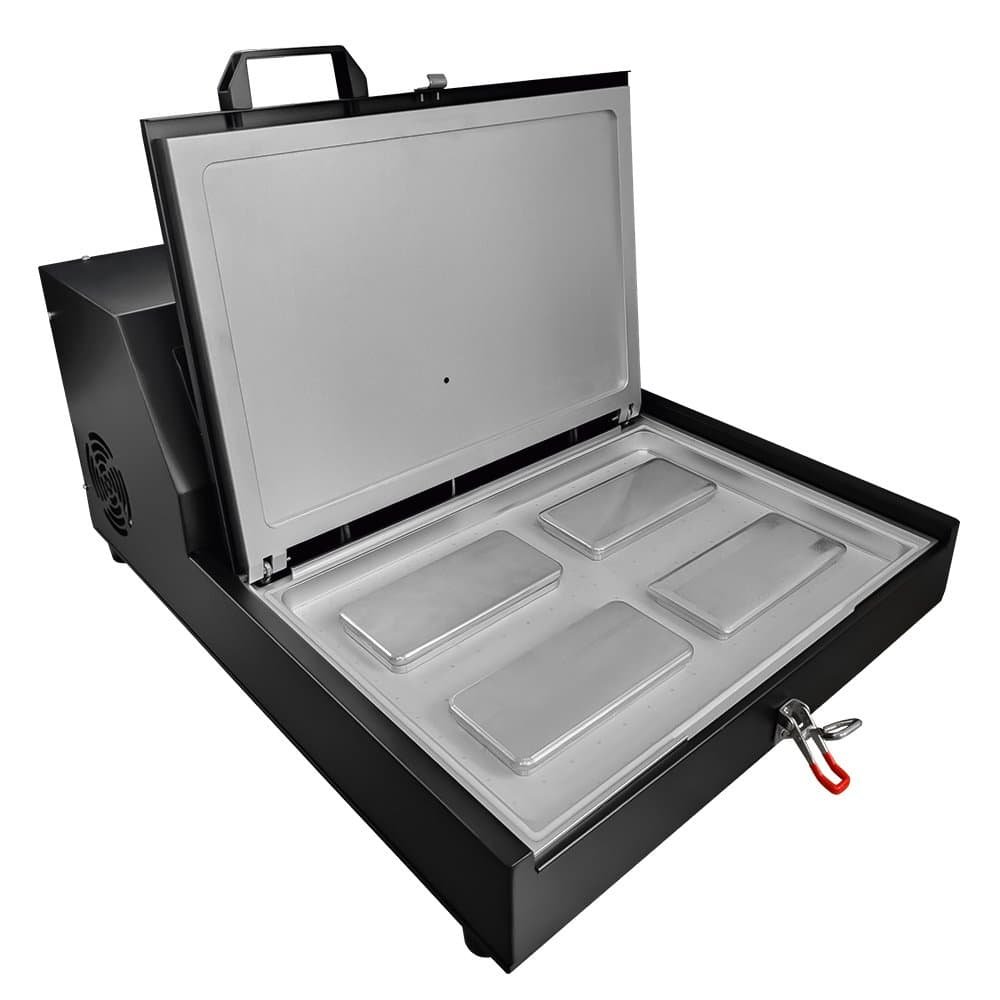
1-Out-6 Sublimation Vacuum Machine:Capable of flexibly and efficiently producing multiple small items or a single intricate large piece, it is ideal for factories engaged in large‑scale printing production.
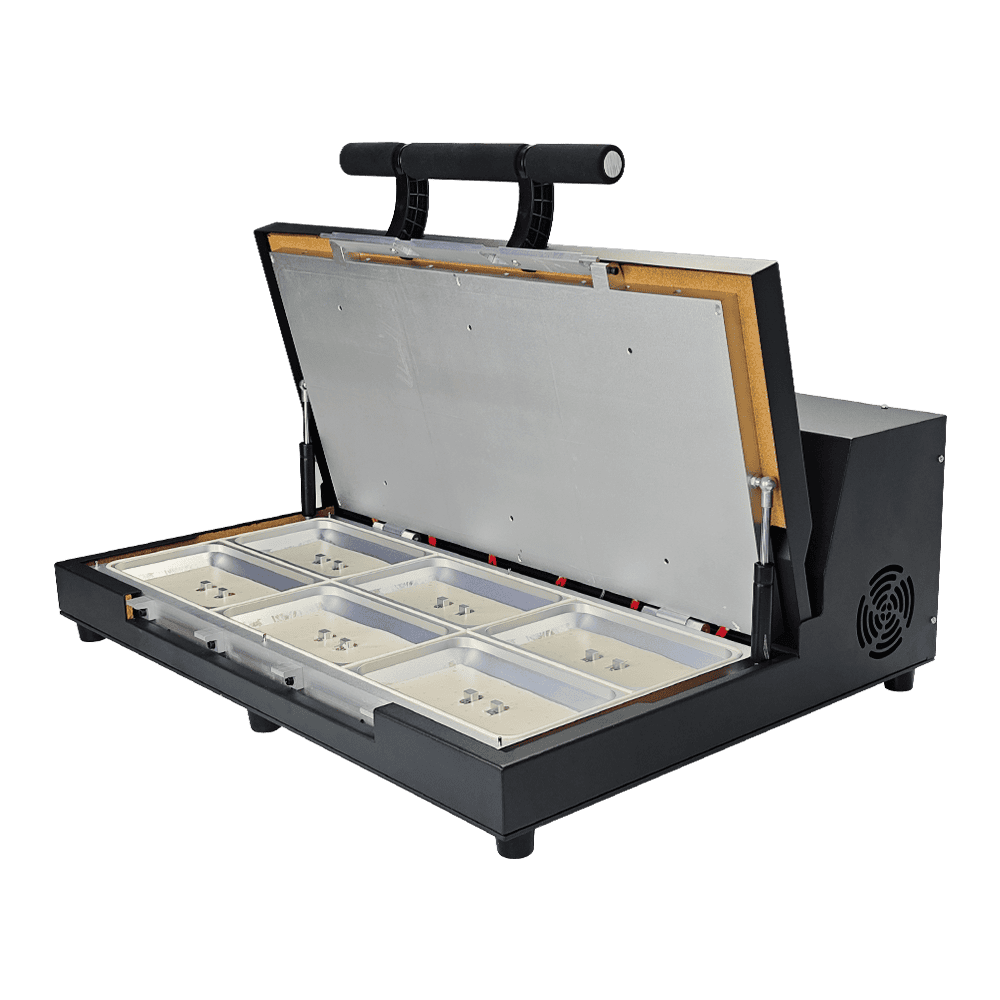
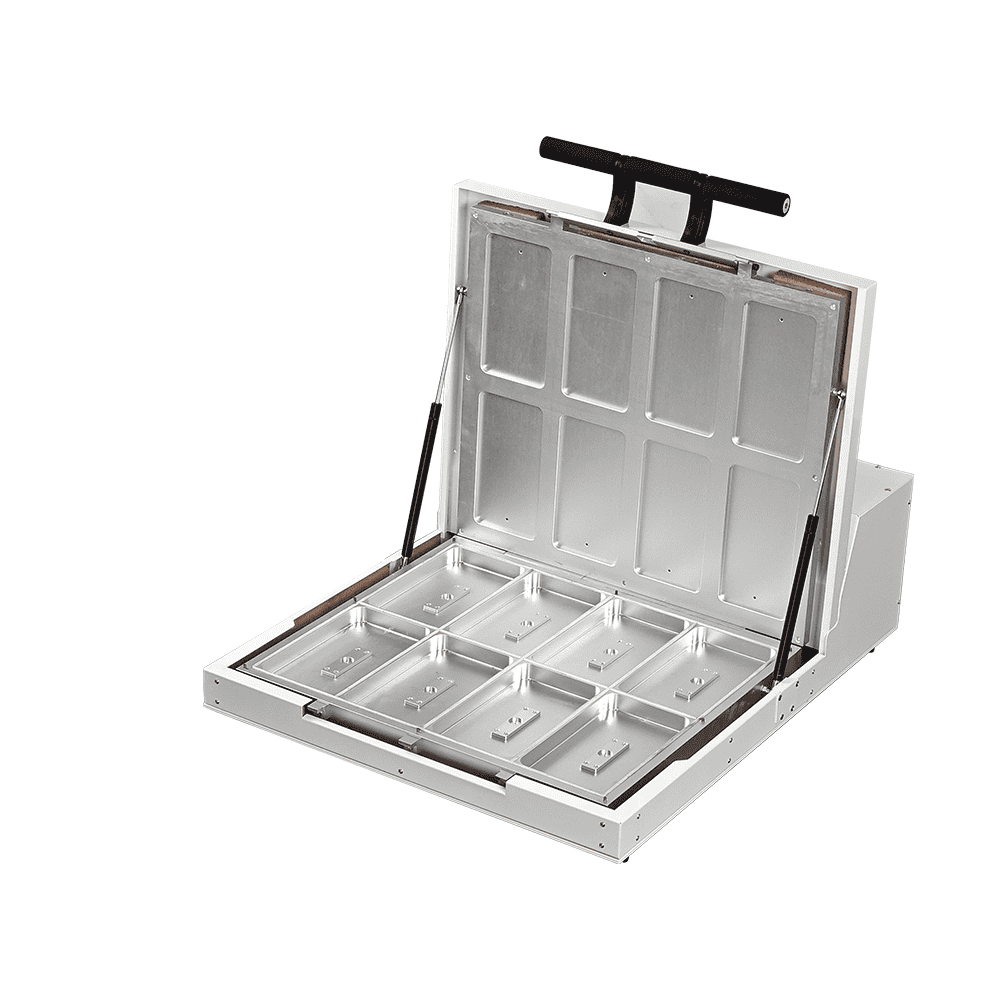
1-Out-8 Sublimation Vacuum Machine: It is ideal for factories engaged in large‑scale printing production.
The Sublimation Printing Process
Material requested
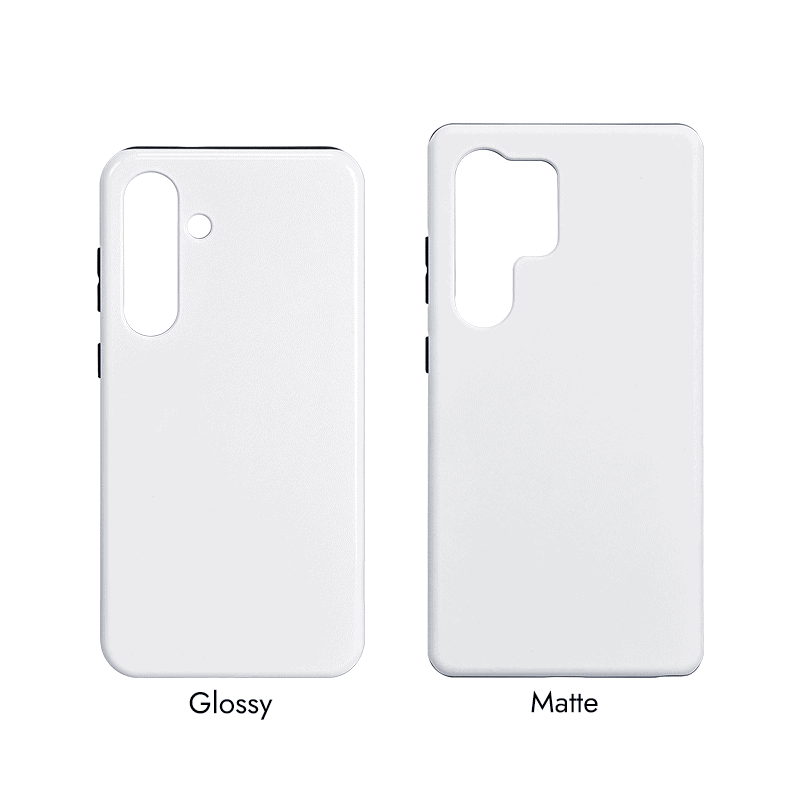
- Blank phone case (with polymer coating, suitable for thermal sublimation process).
- Dye-sublimationand EPSON printers (e.g., Epson 4880c/7380).
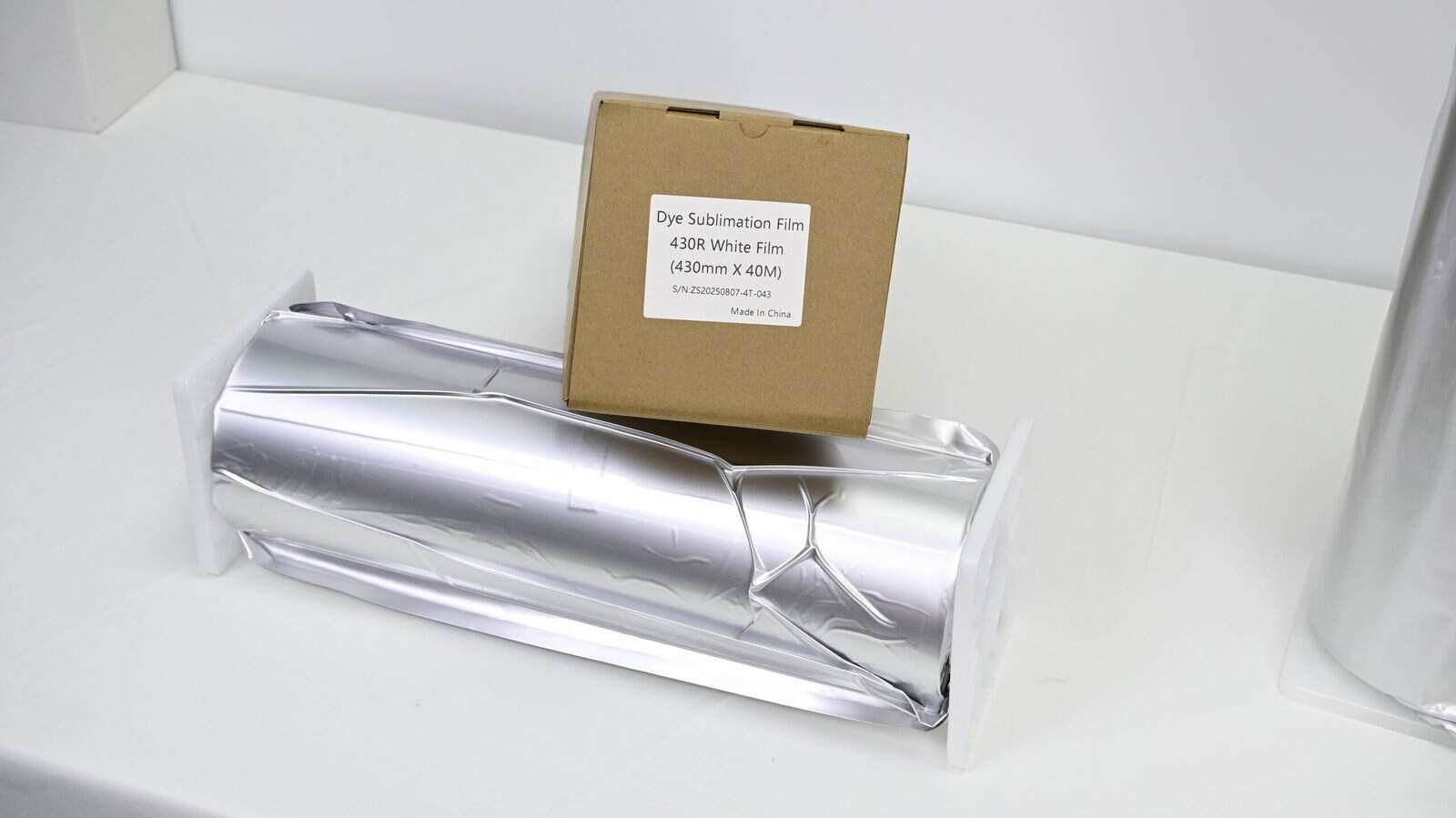
- Sublimation transfer film.
- 3D sublimation vacuum machine.
- Matching fixtures.
Detailed steps
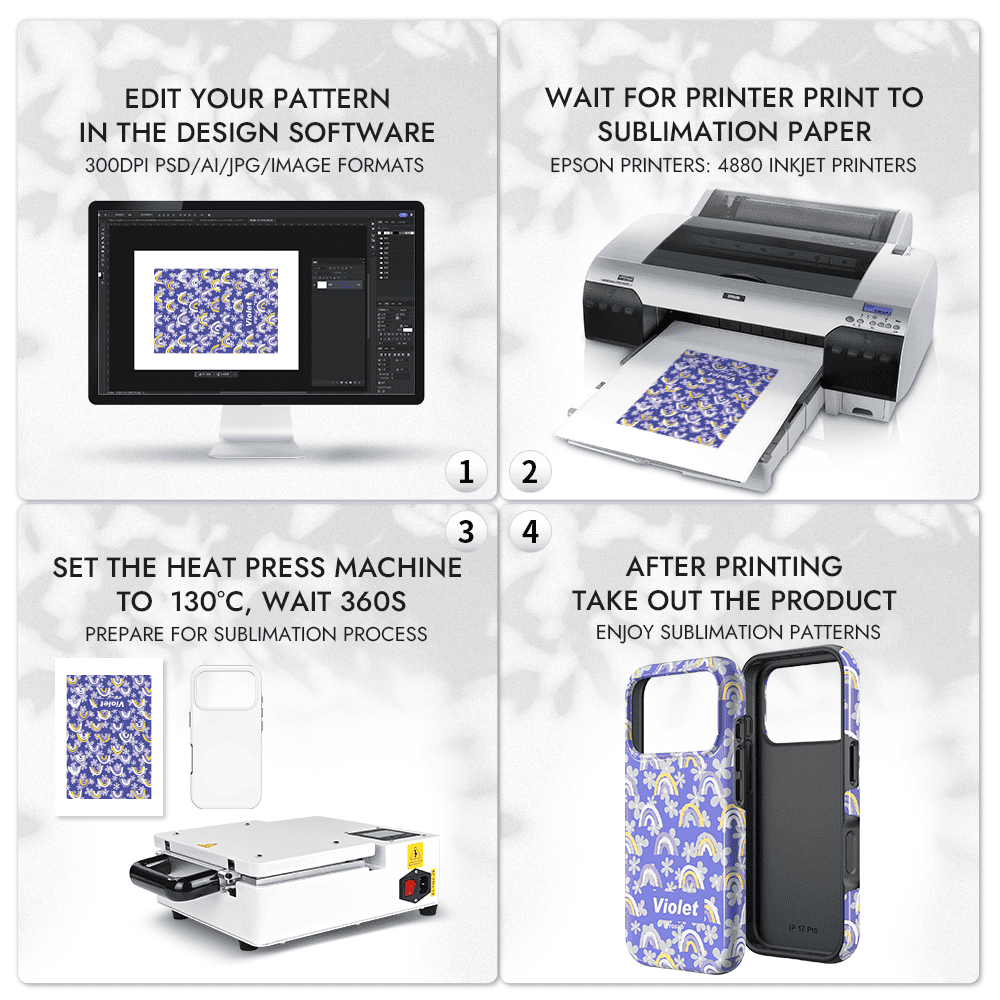
- Design the Image: Use software (e.g., Photoshop or other design tools) to create or select your artwork. After transferring, ensure to mirror the image before printing to guarantee correct orientation.
- Print the Design: Use dye-sublimation ink to print the mirrored image onto the sublimationfilm (Note: Print on the matte side).
- Transfer Preparation: Using the matching mold, preheat the machine for 20 minutes. Place the product to be printed onto the fixture, position the printedsublimation transfer film on top (Note: pattern facing the product), and quickly close the machine lid.
- Heating Process: Press the start button on the machine. Standard settings: 130°C for 4-6 minutes. After the countdown ends, open the machine.
- Product Removal: Peel off the transfer film, take the product off the fixture, and the transfer process is now complete.
Key Considerations During the Printing Process
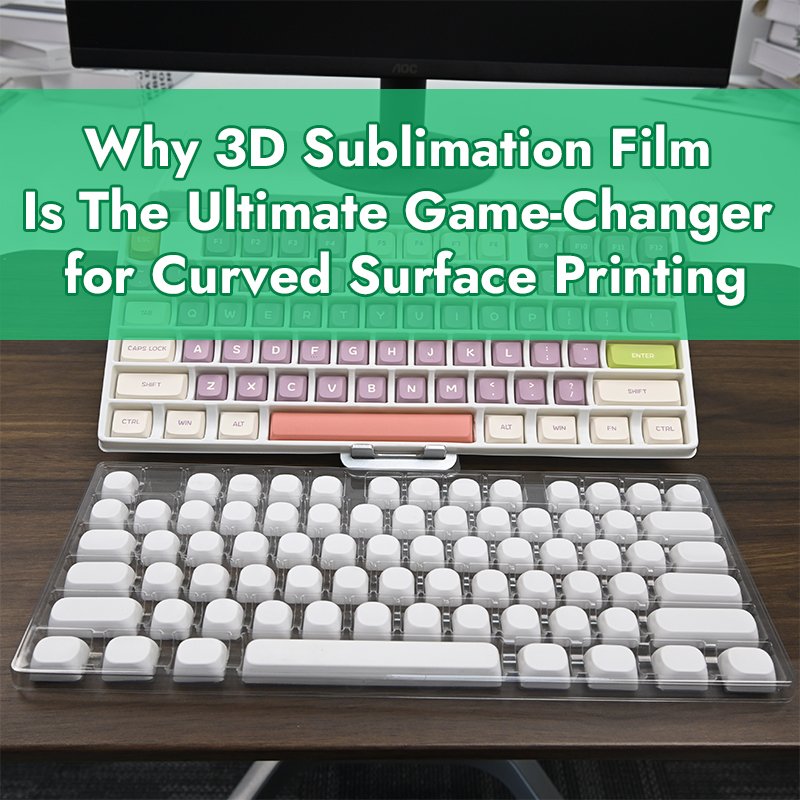
- The vacuum machine can only be used with sublimation film, because the film possesses stretchability and flexibility.Sublimation paper lacks elasticity and cannot be used with this equipment.
- The phone case substrate must be compatible with sublimation. Common materials are rigid PC (polycarbonate) or PC + TPU composite; their surfaces are pre‑coated with a special layer. This coating is ink‑absorbent and elastic, designed to capture gasified dye molecules at high temperature and allow them to penetrate the material’s surface layer, ensuring high‑precision image transfer and resistance to bending.
- The film must be completely dry. Each sheet must be thoroughly dried before sublimation; otherwise, uneven spots or white marks may appear, and some areas may not print properly.
- Print on the matte side of the sublimation film, then bake in an oven at 55 °C for 20 minutes. If the design contains very dark colors, blow‑dry the film with a hairdryer for about 10 seconds before printing to ensure high quality and optimal results.
- The workspace must be enclosed. Especially during rainy seasons, windows must remain closed; otherwise, the printed pattern may spread ( the film absorbs moisture). Humidity in the workspace should be kept below 60 % to guarantee normal film performance.
Secrets to Achieving Optimal Results
High-quality sublimation film is the key—it ensures deep ink penetration, eliminates bubbles, delivers vivid, true-to-life high-definition output, and maintains consistent pattern coloration.
Manufacturer Focus: Dongguan Prosub Technology
Advantages of Sublimation Film
Premium Raw Materials for Reliable Performance: We use high‑quality PET film from Japan’s Toray as the base substrate, combined with imported ink‑absorbing transfer layer materials from Germany and Japan, ensuring stable product performance and superior quality from the source.
Advanced Precision Coating Technology: Our state‑of‑the‑art coating equipment features an accurate temperature‑control system, strictly regulating coating thickness, drying properties, and surface smoothness. Integrated anti‑static devices guarantee flawless printing results.
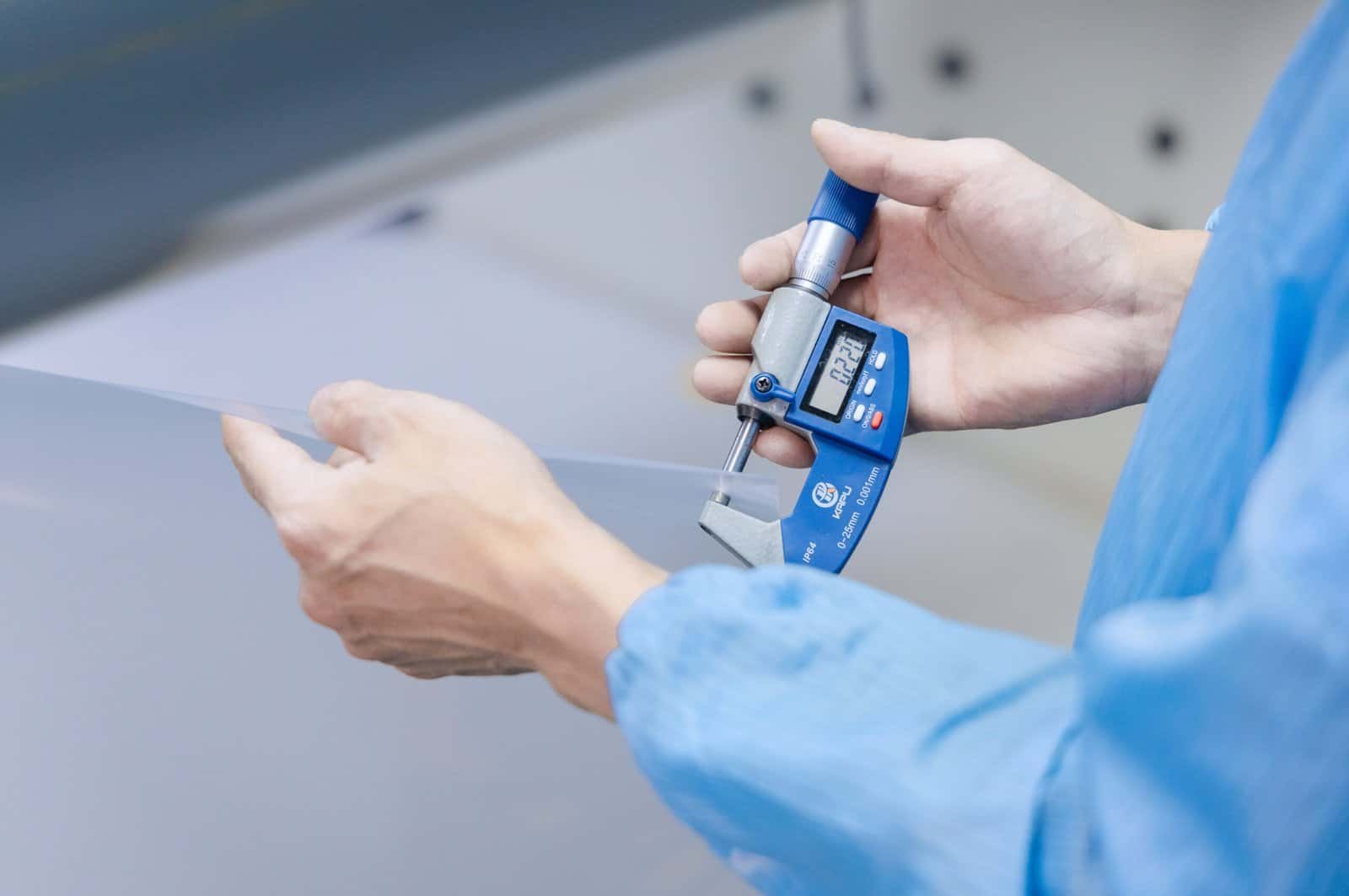
Comprehensive and Rigorous Quality Control: Our QC system monitors raw material storage conditions (temperature & humidity) daily. Each production batch undergoes strict viscosity and coating‑thickness checks before and after manufacturing to eliminate deviations.
High Stretchability & Strong Conformability: With an elongation rate of up to 300%, the film ensures consistent color on side and back surfaces during printing, preventing whitening or speckling caused by stretching. It also offers excellent conformability, allowing full coverage of edges and corners without tearing or bursting.
Batch‑to‑Batch Color Consistency & Full Traceability: Strong color consistency across different batches ensures stable quality. Each batch is assigned a unique code and archived for complete traceability; if quality issues arise, prompt recalls or replacements can be made to protect customer rights.
Advantages of Sublimation Vacuum Machines
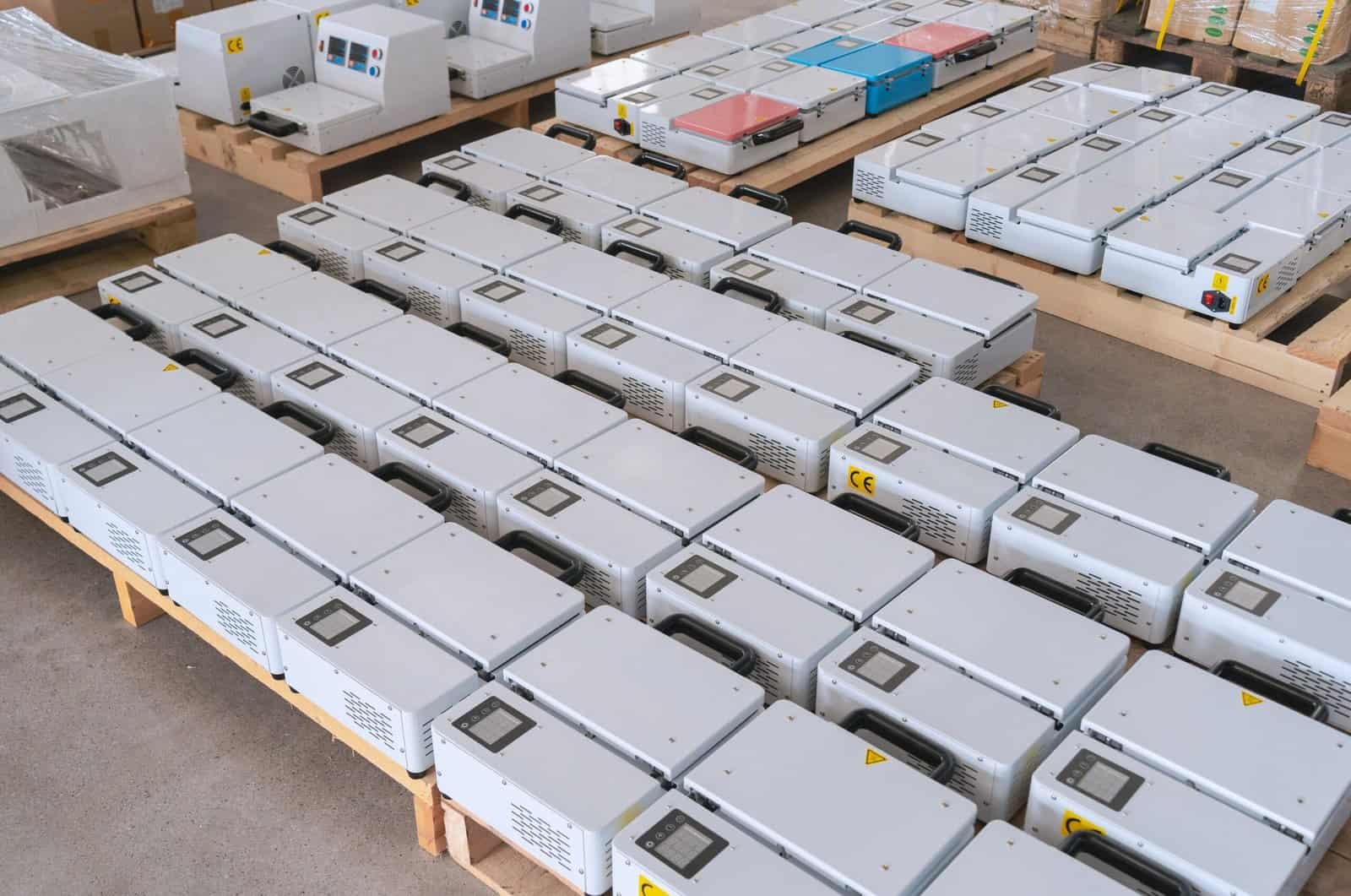
- With 14 years of specialization in vacuum equipment, we have established a mature, comprehensive technical system and an experienced team of experts. All our equipment is independently developed in‑house, backed by complete proprietary intellectual property and core technologies. This not only guarantees outstanding product performance but also enables us to provide timely, professional after‑sales maintenance for our customers.
- Our company holds ISO 9001, BSCI, CE, and FCC certifications, fully aligning with international market access standards. All equipment combines safety, reliability, and stable compatibility, ensuring dependable operation even in complex industrial environments—providing solid assurance for customers’ high‑end manufacturing and precision production needs.
- We offer custom R&D services for vacuum equipment, dedicated to transforming clients’ conceptual requirements into reliable, exclusive machinery. Our engineering team engages in one‑on‑one collaboration with each client, ensuring precise development of custom equipment, facilitating successful rollout of tailored products, and delivering end‑to‑end technical support throughout the process.
Conclusion
From premium sublimation film to professional vacuum machines, the high quality of sublimation phone cases relies on mature technology and rigorous quality control. Whether for personal customization or bulk production, selecting the right equipment and consumables makes success easy to achieve. Trust PROSUB—a professional brand—to help bring your phone case personalization vision to life. We hope this practical guide empowers you to master sublimation transfer printing, creating bespoke cases that blend stunning looks with lasting durability, and unlocking new experiences for personal use or launching your own personalized business!