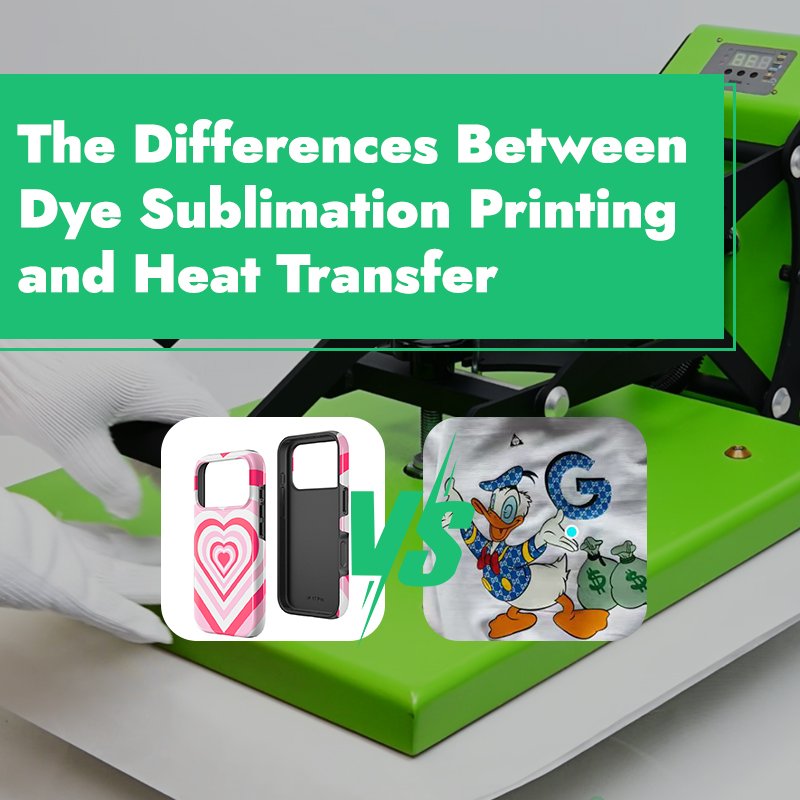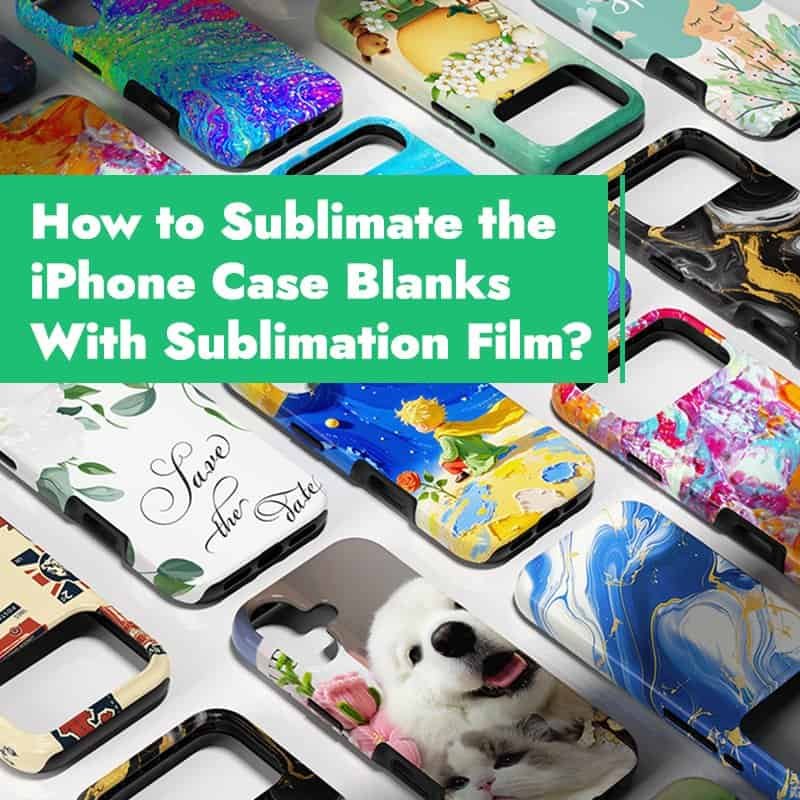



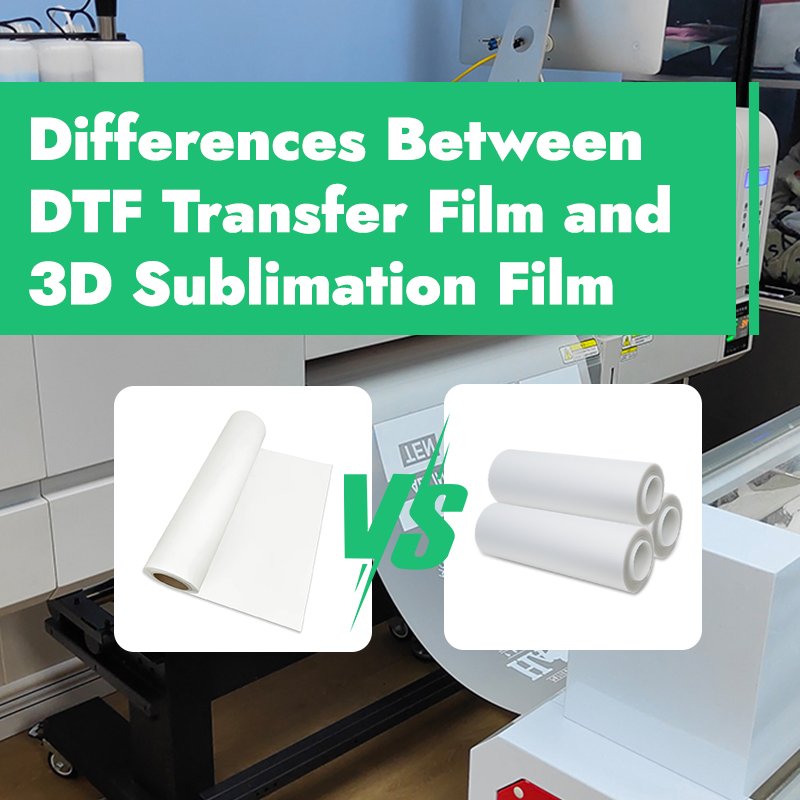
DTF transfer film and 3D sublimation film are two core consumables in the personalized printing field. Although both serve pattern transfer, they differ significantly in compatible processes, substrates, and effects. In custom scenarios such as phone cases, AirPods cases, and digital accessories, choosing the wrong film material can easily lead to pattern failure and cost waste. This article focuses on the core differences between the two, helping you accurately match production needs and efficiently implement custom solutions.
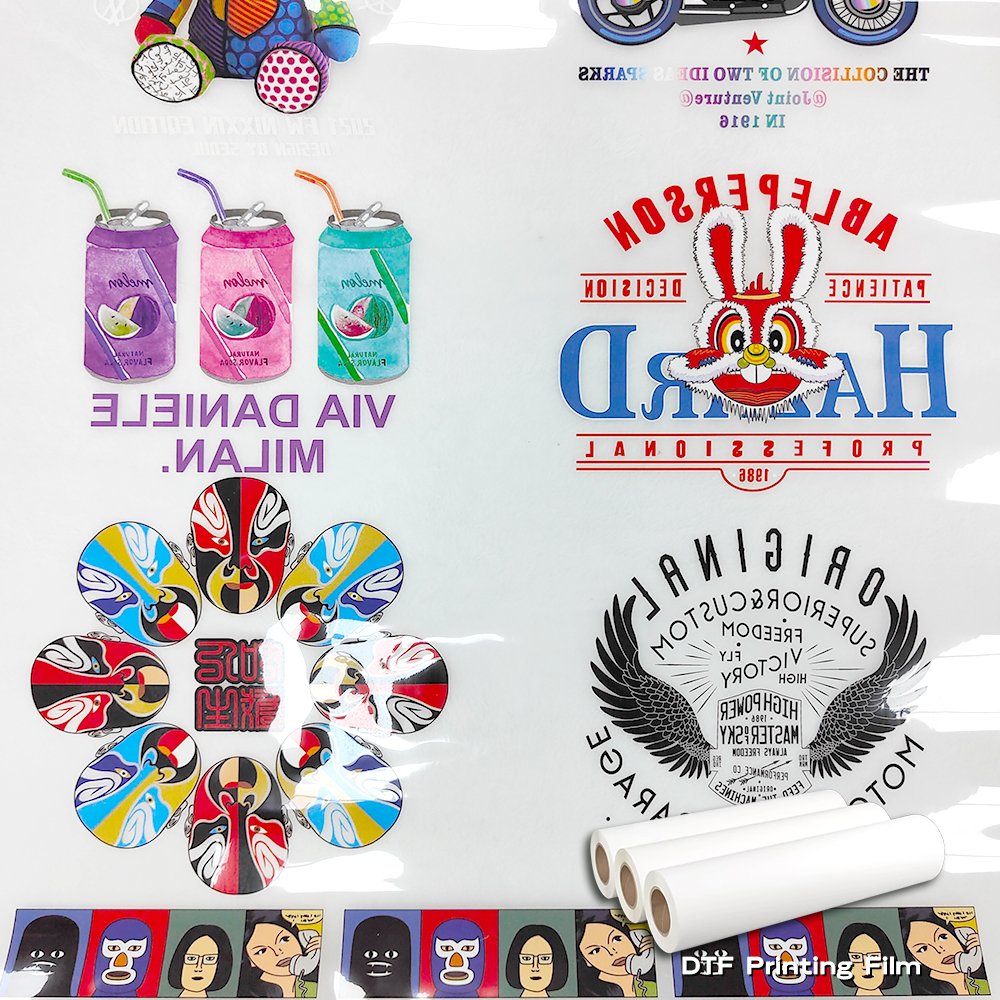
What is DTF Transfer Film?
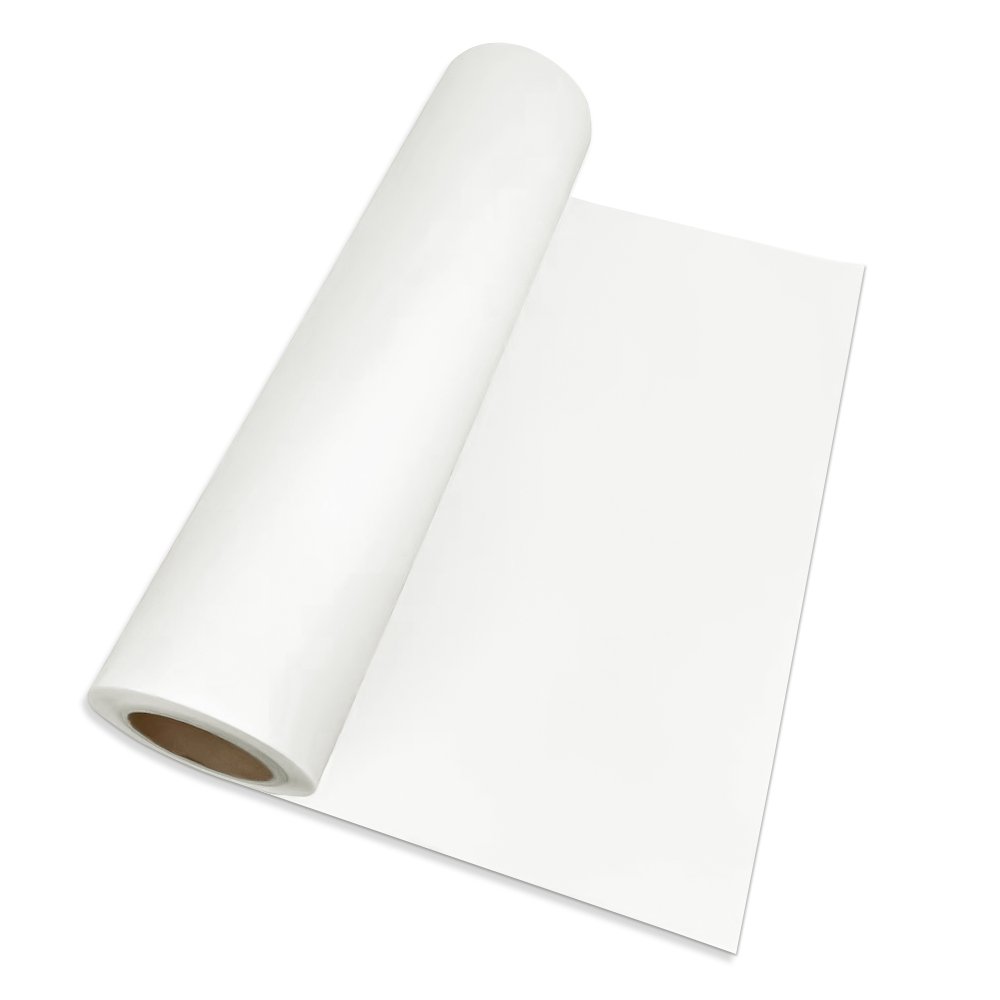
DTF transfer film is a PET (polyethylene terephthalate) film material specifically designed for the DTF direct-to-film heat transfer process, serving as the carrier for patterns. It transfers the printed image onto substrates such as fabrics through the ink-adhesive hot-melt powder on its surface. DTF sublimation film consists of an anti-static coating, a PET film, and a removable coating.
Similar to 3D sublimation film, DTF heat transfer requires specific ink—DTF pigment ink. It is a specialized pigment ink directly transferred onto the film, using solid pigment particles (rather than dye molecules) as colorants, dispersed in a special solvent/resin system. As a result, colors are more vibrant, pattern clarity is higher, and lightfastness, water resistance, and abrasion resistance are far superior to dye-based inks—resistant to fading and smudging when wet, making it suitable for long-term use textiles (such as clothing and backpacks).
Working Principle
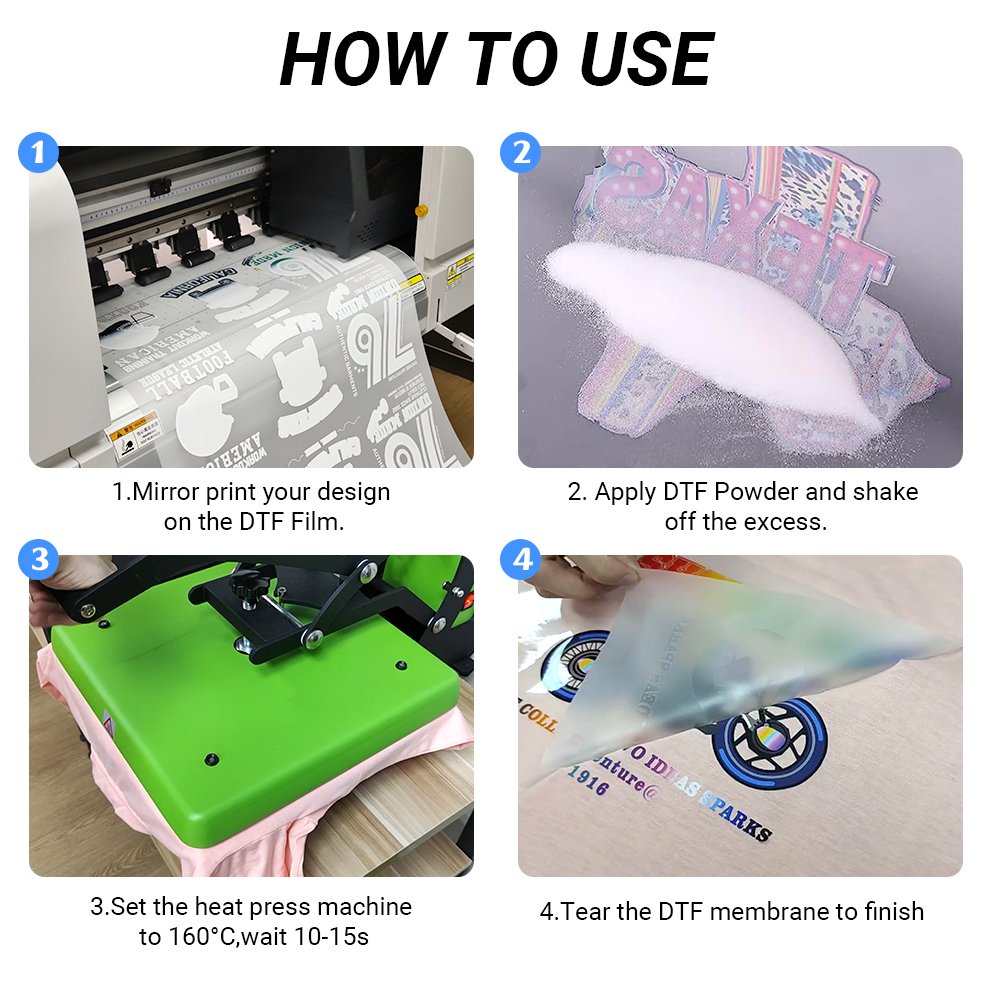
- Printing (print color ink first, then white ink)
Use a dedicated DTF printer and professional drawing software to directly print the mirrored pattern onto a special PET plastic film. The printing uses a special “hot-melt powder ink”—DTF pigment ink.
- Sprinkling Powder
After printing, evenly sprinkle a layer of special hot-melt adhesive powder over the wet ink pattern and shake to distribute it uniformly. This layer of adhesive powder will firmly adhere to the patterned areas.
- Curing
Dry or bake (temperature: 130 °C, 5–8 minutes) to fully dry the ink and melt the adhesive powder so it fixes onto the surface of the pattern, forming a sticky adhesive film.
- Transfer
Place the treated film with the printed side facing down onto the substrate (e.g., clothing), and apply appropriate temperature (about 150–160 °C, time: 10 s) and pressure with a heat press machine. At this point, the adhesive film melts again, causing the entire pattern layer to peel off from the PET film and permanently bond to the substrate surface.
- Peeling Off
After cooling, remove the surface PET film, and the pattern transfer is complete.
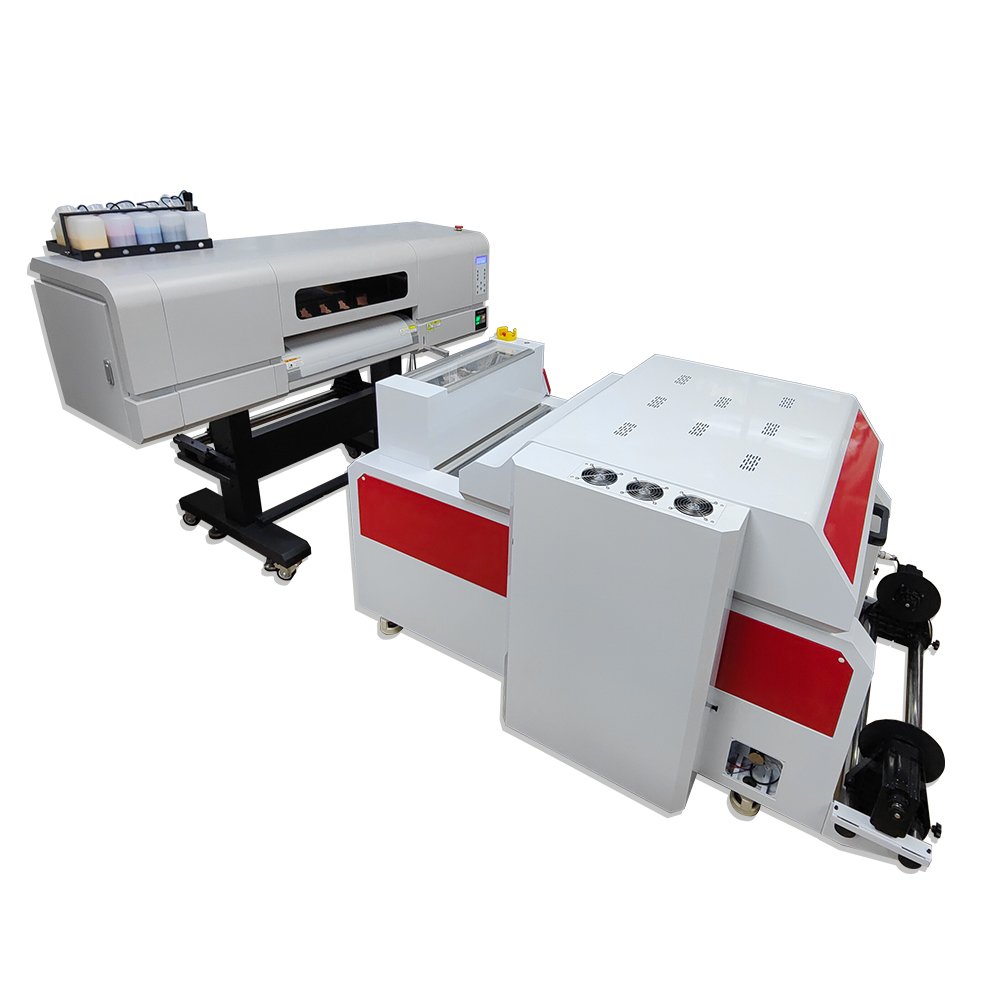
Note: Because the ink required for DTF transfer film differs from that required for 3D sublimation film in composition and molecular size,sublimation printer is not suitable for heat transfer film; a dedicated DTF printer must be used. However, the modification process is not complicated. If you need to print patterns on DTF transfer film using a sublimation printer, you must replace the printer’s nozzle in advance.
What is 3D Sublimation Film ?
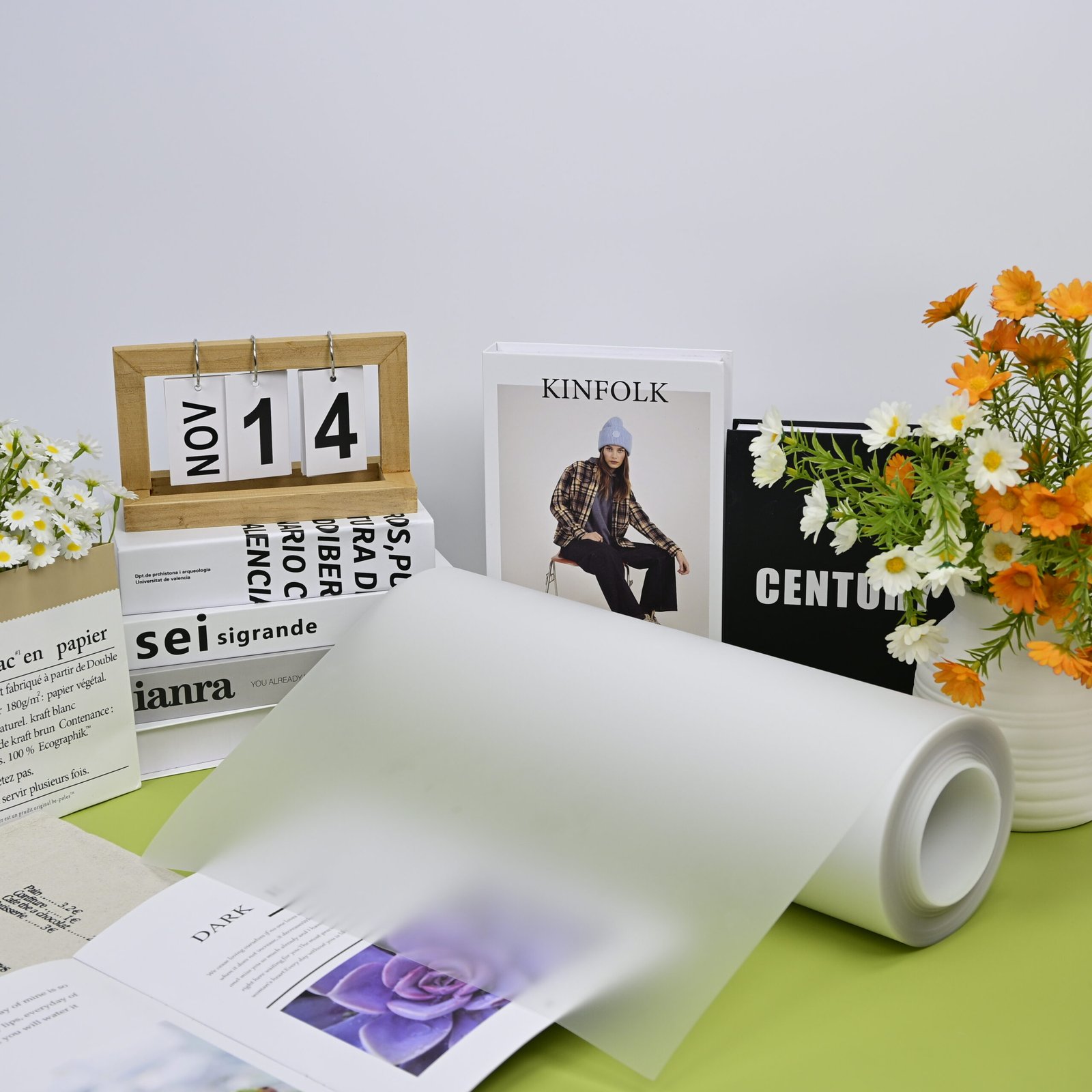
3D sublimation film is a type of film that can be used for vacuum thermoforming sublimation transfer. Its base material is mostly PET (polyethylene terephthalate) film, with a special ink-absorbing coating applied to the surface. This coating can firmly adsorb sublimation ink while quickly releasing dye molecules upon heating. The film has certain extensibility and flexibility, allowing it to closely conform to objects, making it suitable for 3D items (such as phone cases, earphone cases, keycaps, and other irregularly shaped items) and high-precision transfer.
Working Principle
- Design the Image
Use software (e.g., Photoshop or other design tools) to create or select your artwork. After transferring, mirror the image before printing to ensure the correct orientation.
- Print the Design
Print the mirrored image onto the 3D sublimation film using sublimation ink (note: print onto the matte side).
- Transfer
Using a matching mold, preheat for 20 minutes, then place the product to be transferred onto the fixture and lay the printed 3D sublimation film on top (note: the pattern should face the product surface). Quickly close the machine lid.
- Heating
Press the start button on the machine. Standard settings: 130 °C, duration 4–6 minutes. When the countdown ends, open the machine.
- Remove the Product
Peel off the 3D sublimation film and take the product off the fixture. The transfer process is now complete.
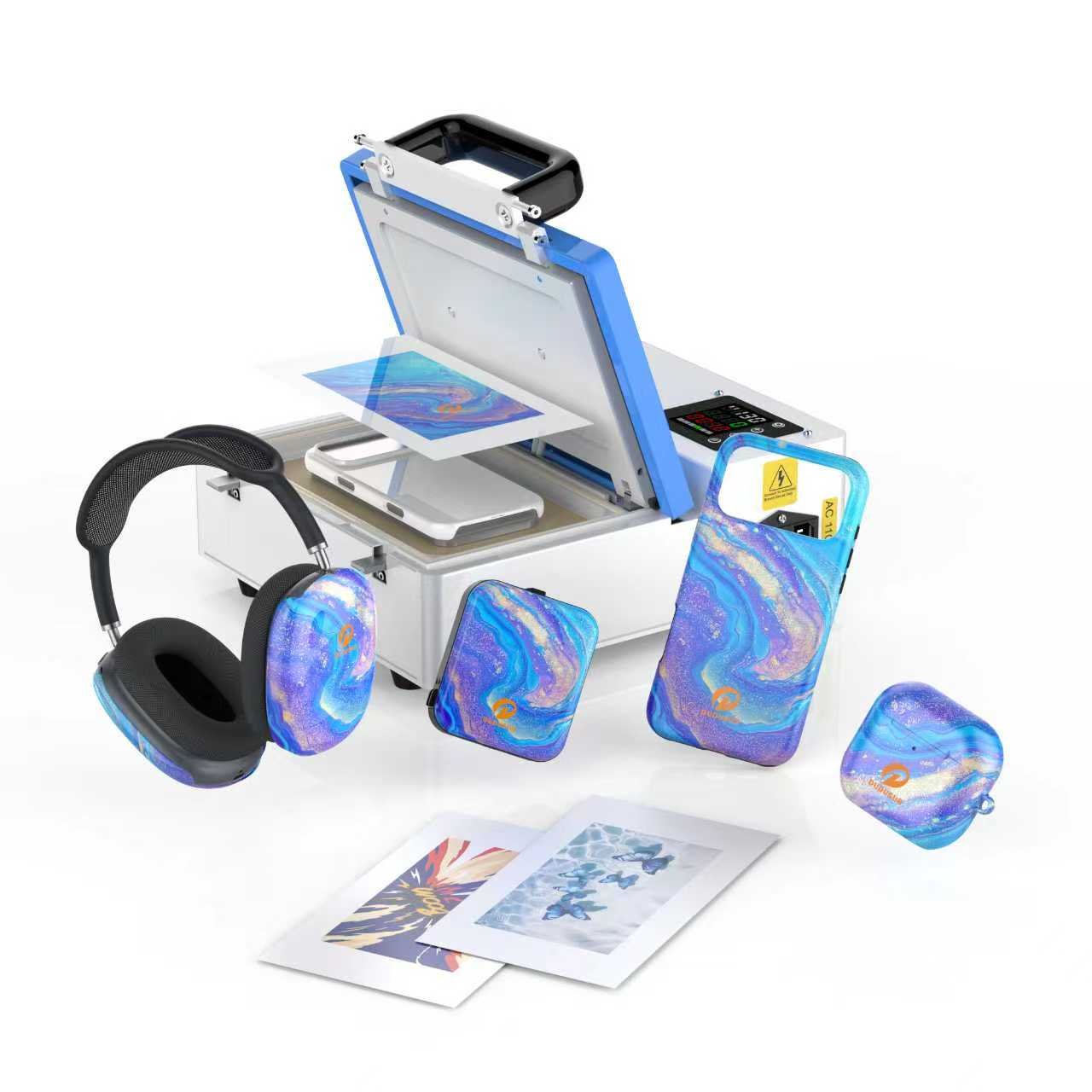
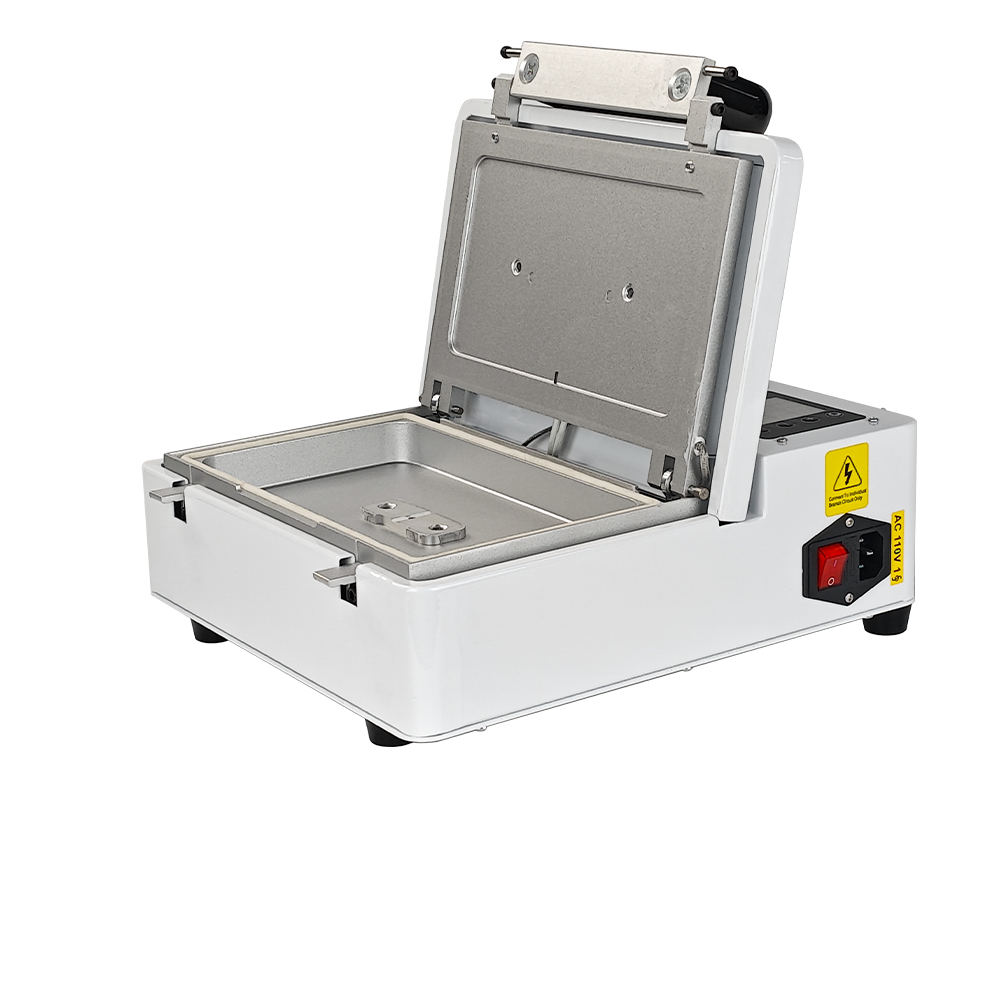
Note: The use of 3D sublimation film requires matching dedicated sublimation ink and a sublimation vacuum machine. Under high temperature and pressure, it achieves 360° seamless full-coverage transfer.
Key Feature Comparison
| Dimension | DTF Transfer Film | 3D Sublimation Film |
| Compatible Substrates | Suitable for various materials without special coatings, such as plastic, leather, fabric, metal, etc.; no need for dedicated blank consumables. Especially good for dark cotton fabrics. | Only suitable for substrates with polymer coatings (dedicated blank protective shells, fabrics, etc.) or synthetic fiber fabrics; relies on coating to adsorb sublimation ink. |
| Clarity & Color Reproduction | Stable color saturation; pigment ink has strong coverage. | High definition without halftone dots; natural color transitions. |
| Fit & Feel | Pigment ink forms a surface pattern layer, may have slight tactile feel. | Pattern fully fuses with substrate, no layered feel. |
| Abrasion & Fade Resistance | Pattern adheres to surface, depends on ink adhesion; slightly weaker protection. | Pattern penetrates into substrate interior; abrasion-resistant and fade-resistant, not easy to discolor. |
| Environmental Adaptability | Combined with pigment ink, relatively better moisture resistance, lightfastness, and corrosion resistance. | Highly dependent on substrate coating. |
| Environmental Requirements | Stronger environmental adaptability when paired with pigment ink. | Sensitive to humidity (needs ≤60%). |
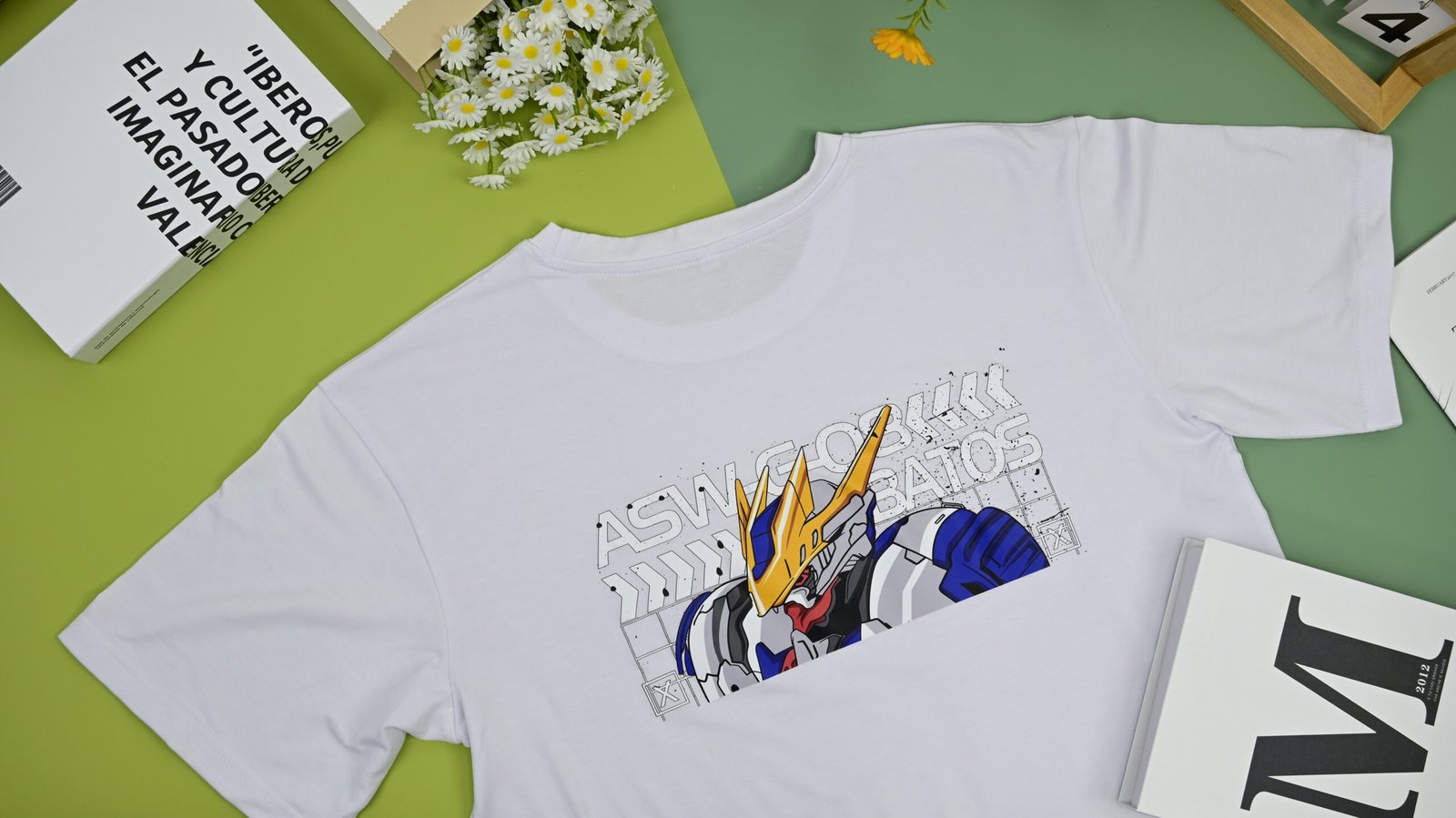
| Main Application Scenarios | Apparel (especially cotton T-shirts, sweatshirts), hats, canvas bags, blended fabric products, non-fabric signs. | Sportswear, flags, synthetic fiber household items, coated hard goods (phone cases, earphone cases, mugs, puzzles). |
| Process Complexity | Fewer steps than sublimation; easier operation. | More complex process. |
| Cost | Lower | Higher |
Applicable Scenarios & Product Selection
DTF Transfer Film Applicable Scenarios
- Compatible with various substrates such as plastic, leather, and fabric that do not have polymer coatings; no need for dedicated blank consumables.
- Suitable for small-batch customization and mixed-material production scenarios.
- Ideal for budget-limited production, flexible conditions, or customization needs involving non-specialized coated substrates.
3D Sublimation Film Applicable Scenarios
- Suitable for customizing digital accessories such as AirPods cases and phone cases.
- Best for scenarios that require high-quality texture, large-scale production, or high demands on pattern durability.
Core Selection Logic
First filter by whether the substrate has a polymer coating, then combine pattern effect requirements (high definition, tactile feel), production conditions (ambient humidity, equipment configuration), and batch scale (small-batch flexible production vs. large-scale mass production) for comprehensive decision-making. This helps avoid cost waste or quality issues caused by mismatched film materials.
Conclusion
With the rising demand for digital accessory customization, the need for 3D sublimation film continues to grow in high-quality, large-scale customization scenarios. Meanwhile, DTF transfer film, with its multi-substrate compatibility and the flexible advantages of DTF pigment ink, is more widely used in cross-industry customization, small-batch entrepreneurship, and non-standard product customization, making it a preferred entry-level solution for small and medium-sized businesses.
If you have any questions about material selection, please consult our professional technical team.Prosub will provide you with customized solutions.