






What is sublimation film?
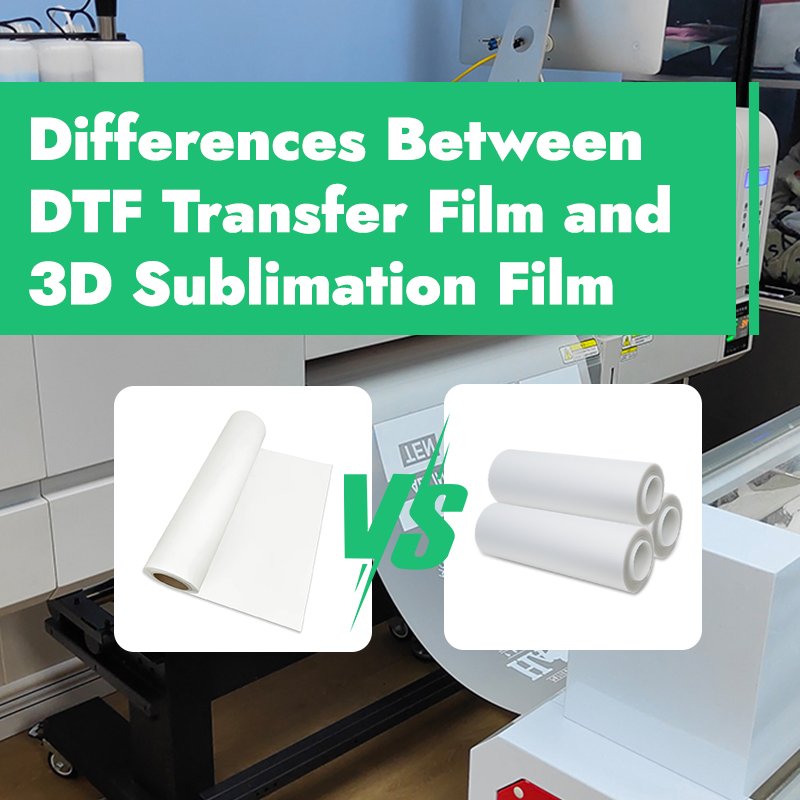
Sublimation film is a specialized material for vacuum suction lamination and dye sublimation transfer. Its substrate is primarily PET (polyethylene terephthalate) film, coated with a special ink-receptive layer that securely holds sublimation ink while rapidly releasing dye molecules during heating. The film exhibits certain elasticity and flexibility, enabling it to conform closely to objects and making it suitable for high-precision transfers.

Operational Principle
First, the pattern is printed on the coating surface of the sublimation film with sublimation ink in mirror image. After the dye is dried, it is placed into a 3D vacuum thermal transfer machine for heating (130-140°C) and pressurization. The disperse dye in the ink sublimates into a gaseous state, permeating into the molecular gaps of the substrate. Upon cooling, the pattern solidifies, merging seamlessly with the substrate.
Performance Features
- High Color Reproduction
The special coating effectively locks in ink and releases it instantaneously under high temperature and pressure, ensuring up to 95% color transfer. The ink fully penetrates the substrate surface, resulting in vivid color, exceptional color accuracy, and long-lasting durability.
- Excellent Transfer Fastness
The patterns bond tightly with the substrate, offering outstanding resistance to washing and abrasion. Colors remain vibrant and do not peel or fade even after prolonged use.
- Full-Wrap Printing Capability
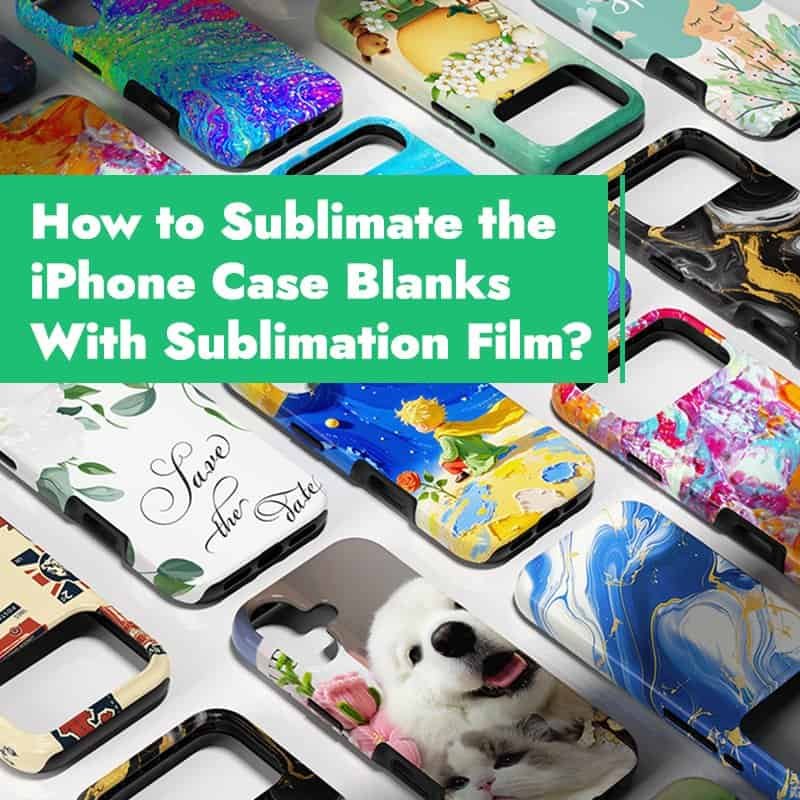
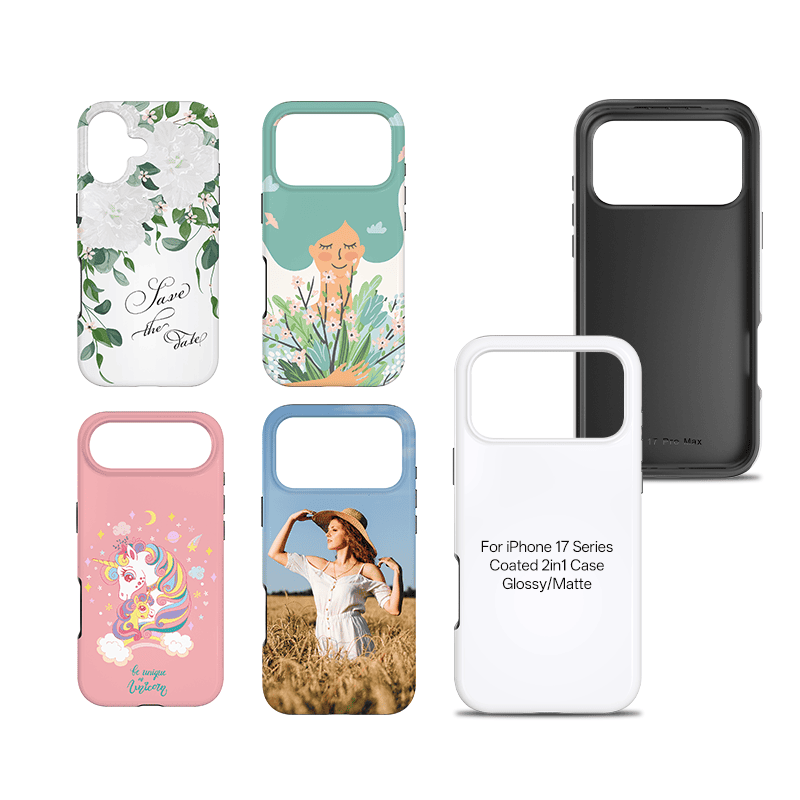
Thanks to its superior flexibility and shrink ability, the sublimation film can conform perfectly to the contours of three-dimensional objects (such as phone cases, ceramic plates, eyeglass cases, or other curved/irregular surfaces), enabling seamless all-around printing.
Application Area
Electronics: These products are ideal for irregular items like coated phone cases, earphone cases, and keycaps, ensuring clean edges and smooth surfaces.
Household items: 3D curved objects like plates and glass ornaments, featuring vivid colors, lifelike details, and a smooth texture.
What is sublimation paper?
Sublimation paper is a specialized material designed for sublimation transfer printing, primarily serving as a carrier for sublimation ink to support subsequent pattern transfer. Its transfer mechanism relies on the physical state changes of disperse dyes in the sublimation ink. This paper is predominantly used for flat surface transfers.
Operational Principle
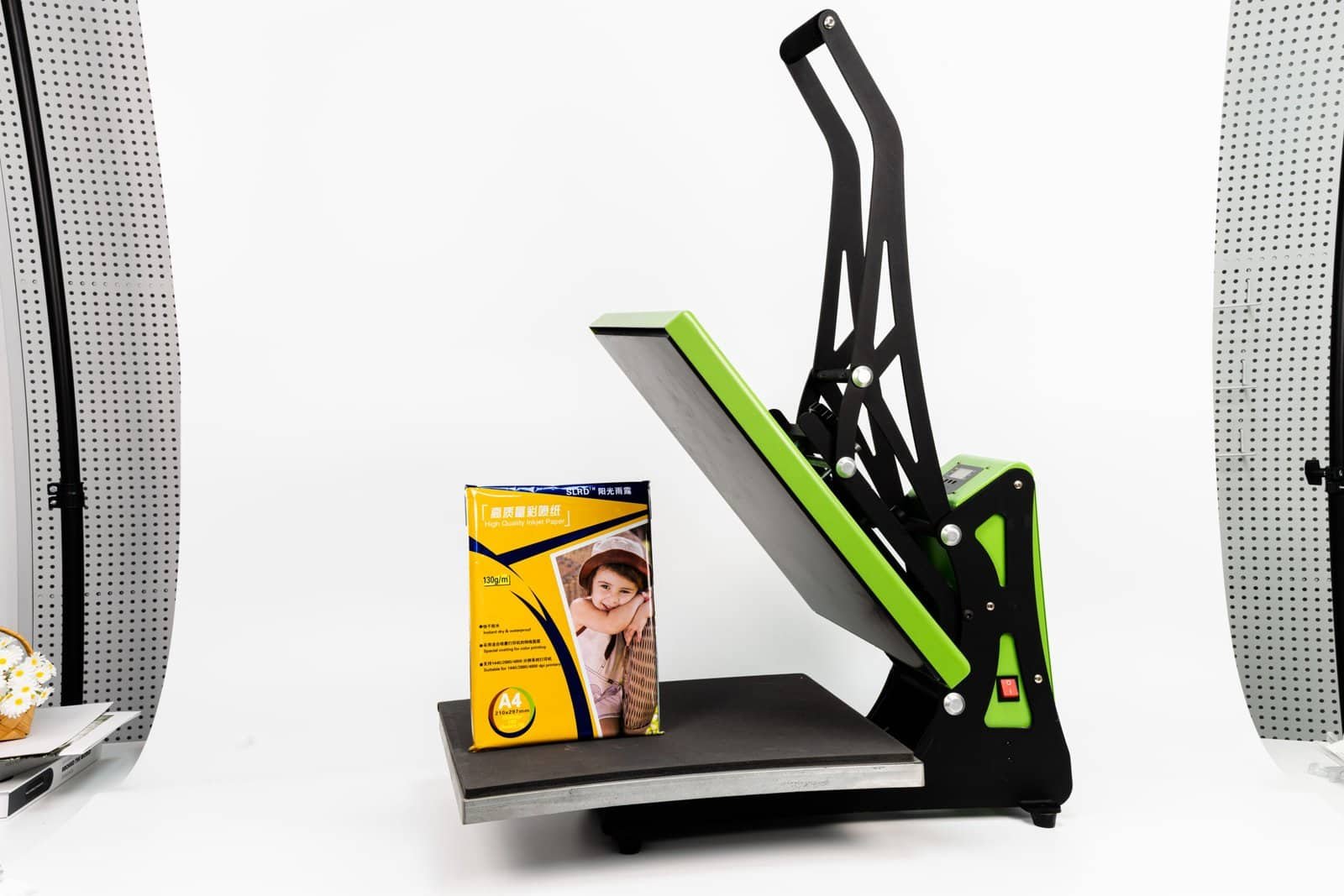
First, use a specialized printer (such as an Epson model) to print the image in mirrored format onto sublimation paper. Then, heat it to around 180°C using a heat press machine. At this temperature, the disperse dye in the ink sublimates directly from solid to gas, penetrates the molecular gaps of the substrate—such as textile fabrics or coated metals—and solidifies again upon cooling, achieving a realistic and durable transfer of the pattern.
Performance Features
- Excellent ink absorption
ensures the ink spreads quickly on the paper without seeping to the back or pooling on the surface, resulting in clear patterns and vibrant colors.
- Rapid drying speed
Ensures continuous production for downstream enterprises while preventing issues like surface contamination and material adhesion.
- Surface cleanliness
minimal dust, holes, or other imperfections to prevent compromised transfer quality.
Application Area
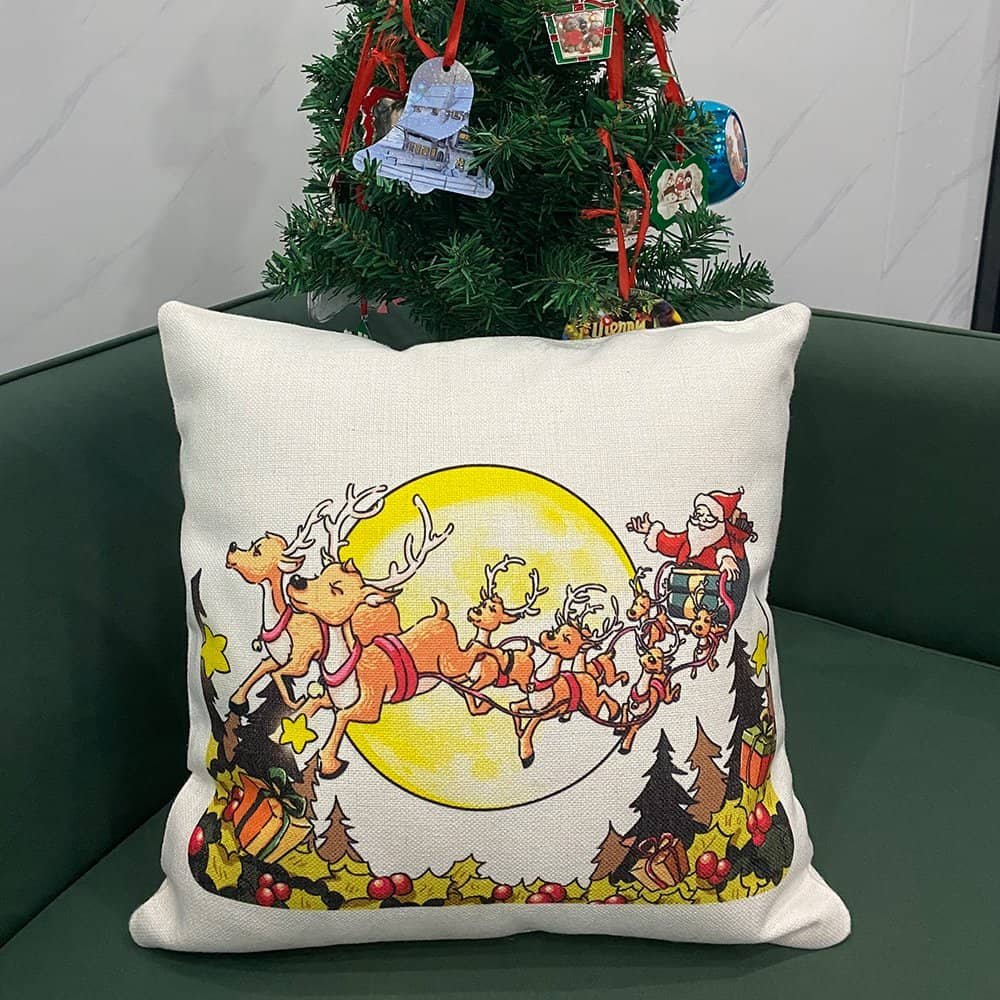
Textile printing: used for printing on garments, home textiles, cloth bags, etc;
Decorative item production:applicable for pattern printing on wooden ornaments, pendants, stone slab paintings, etc;
Craft production:such as transferring exquisite patterns onto ceramic panels, metal accessories, leather products, glassware, etc.
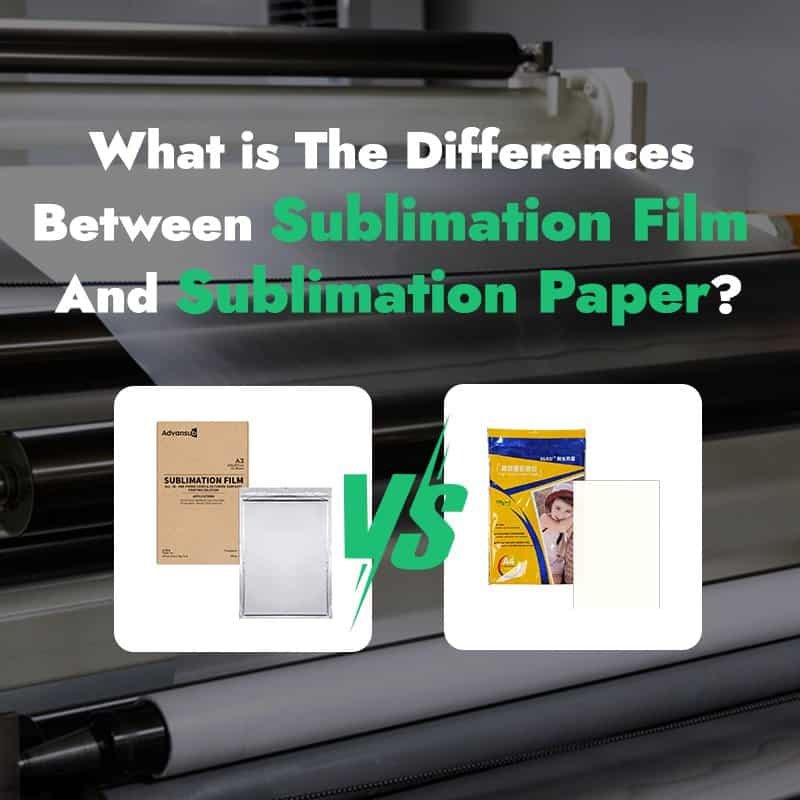
Difference between sublimation film and sublimation paper
Core Differences
| Dimension | Sublimation Film | Sublimation Paper |
| Substrate | PET film with specialized coating | Specialty coated paper (micro-porous ink-absorbing layer) |
| Form | Film type, thin, lightweight, flexible, and stretchable | Paper type, with moderate thickness |
| Tensile Resistance | High thermal stability, tightly conforms to curved surfaces under vacuum adsorption | Prone to slight deformation under heat, which may affect alignment precision |
| Transfer Precision | Very high, suitable for fine pattern printing | High, sufficient for general printing needs |
| Applicable Scenarios | 3D objects, curved surfaces, irregular items | Flat items |
| Transfer Temperature | Around 135°C | Around 180°C |
| Transfer Machine | 3D sublimation vacuum machine | heat press machine |
| Cost Efficiency | Higher unit cost, requires high-temperature tape during printing | Cost-effective, suitable for bulk production of flat items |
Details Analysis
- Sublimation Film
Core advantage: The film tightly encapsulates intricate structures under vacuum conditions, enabling 360-degree seamless transfer with no blind spots.
Special process: Typically combined with “in-mold transfer printing” technology to ensure industrial-grade pattern durability.
- Sublimation paper
The working principle: the paper coating’s microporous structure rapidly absorbs the ink, and the dye sublimates and penetrates into the substrate after heating.
Limitations: May curl under high temperature and pressure, and deep curved surfaces are prone to wrinkling or incomplete transfer.
How to choose based on different needs
If the following requirements apply, the sublimation film may be the preferred choice:
- 3D or curved products: such as mobile phone cases, curved surfaces of cups, sports equipment.
- Irregularly shaped items: such as automotive interior parts, protective shells for smart devices.
- High-value customized products: such as limited-edition collectibles, premium gifts.
- Example: customized curved mobile phone case.
If the following requirements apply, sublimation paper may be the preferred choice:
- Textile printing: such as sportswear, flags, home textiles.
- Flat rigid objects: such as ceramic mugs, metal signs, slate paintings.
- Cost control for start-up teams.
- Routine flat transfer operations.
- Example: Batch printing of sportswear patterns.
Conclusion
In summary, the distinction between sublimation film and sublimation paper lies in their adaptability to different processes. Film is preferred for high-precision transfers onto rigid materials and premium textiles, while paper is more suitable for bulk printing on conventional textiles. In practical applications, the choice should be made by balancing transfer precision, production costs, and substrate type. This ensures that the vivid colors and durable patterns inherent to the dye sublimation process are fully realized, achieving the optimal transfer outcome.
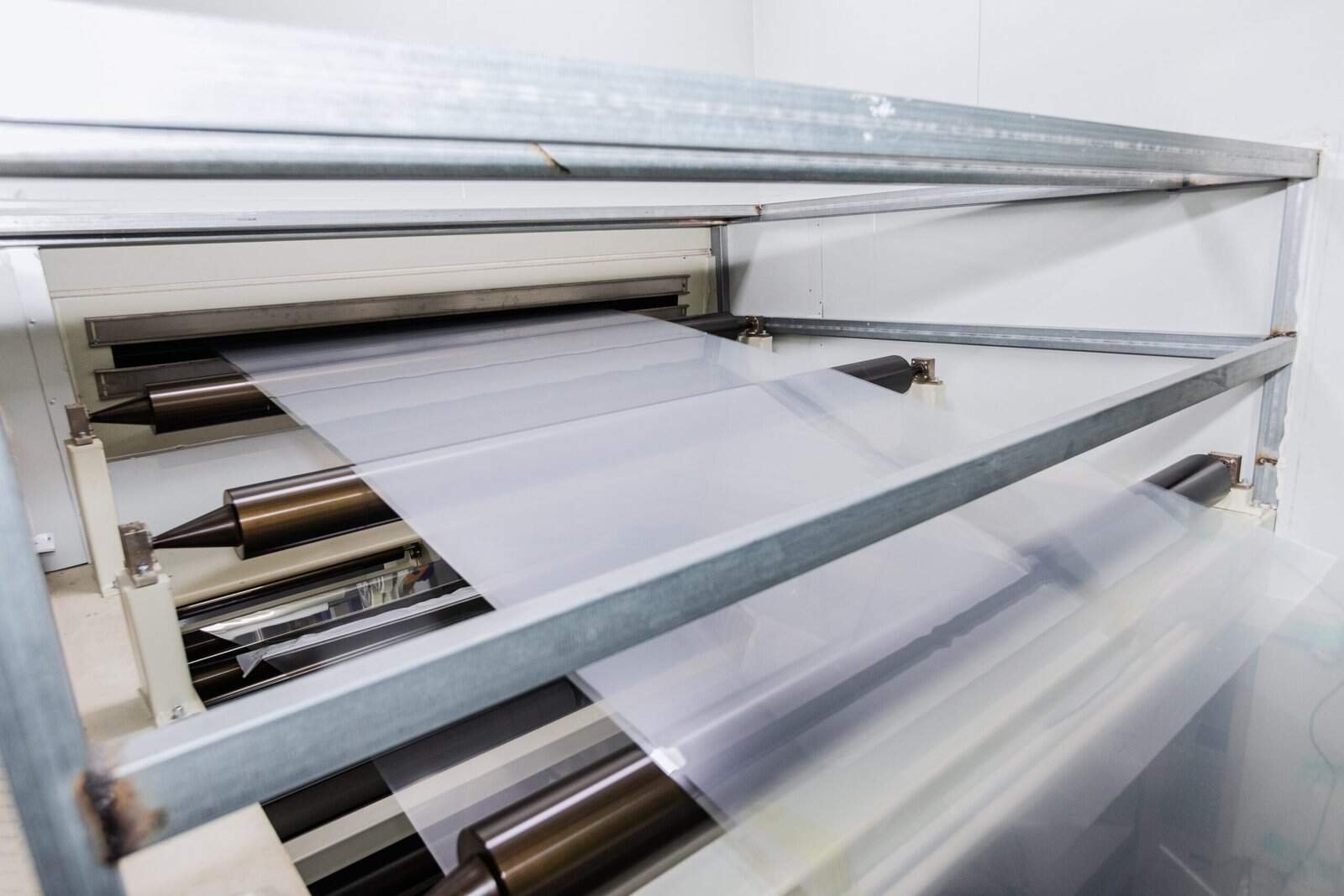
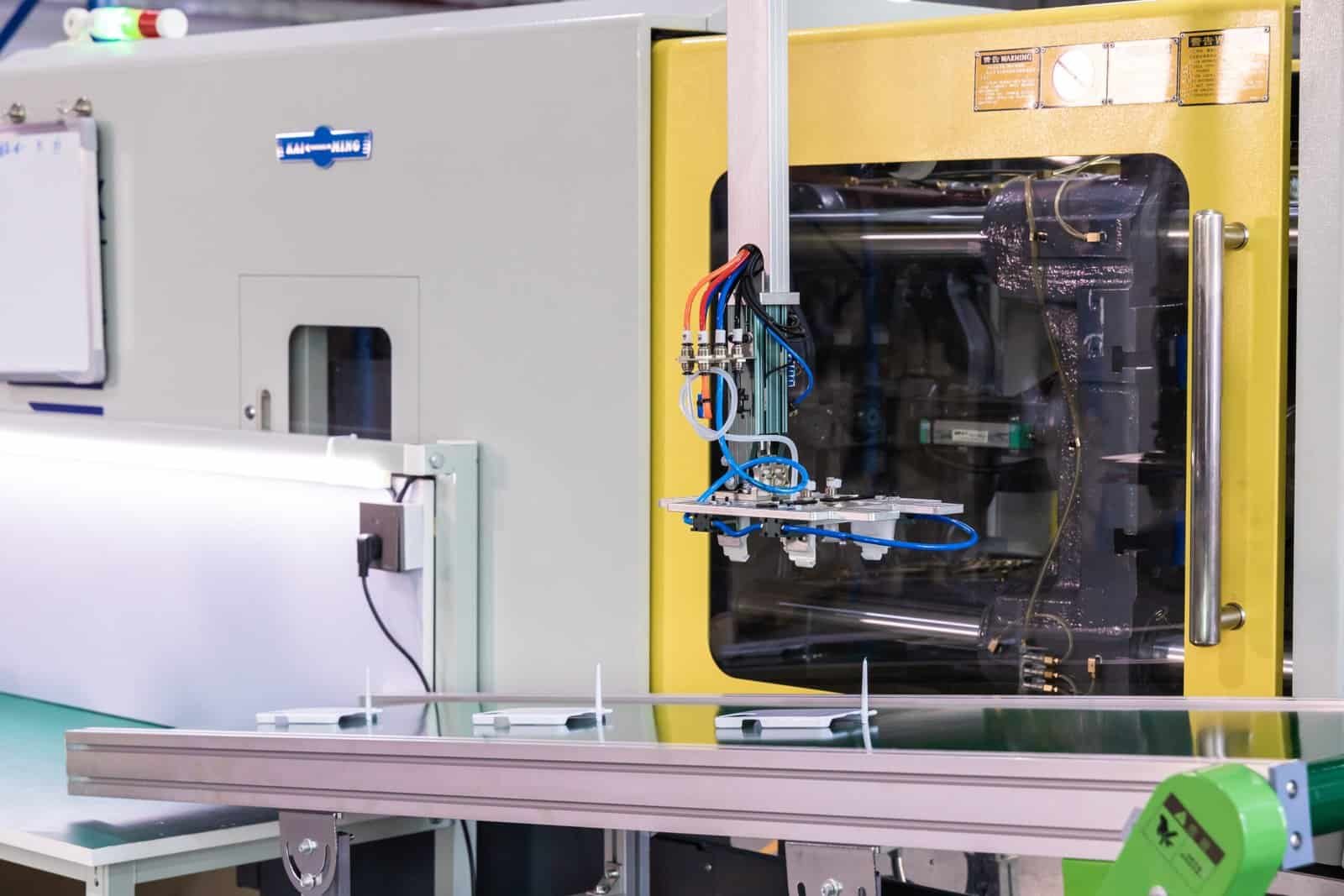
If you are considering a purchase, choosing our products—PROSUB‘ sublimation film and sublimation paper—means choosing both professionalism and quality assurance. With 14 years of deep expertise in the sublimation transfer field, we have refined mature production processes and adhere to stringent quality control standards. Based on the unique characteristics of substrates and specific transfer requirements, we precisely develop compatible film and paper materials, offering you customized, high-quality solutions. From raw materials to finished products, we maintain complete in-house production and integrated management, with meticulous care at every stage of the process. This dedication helps your products stand out with vibrant color expression and durable patterns, empowering you to easily handle diverse production scenarios and seize market opportunities ahead of the competition.